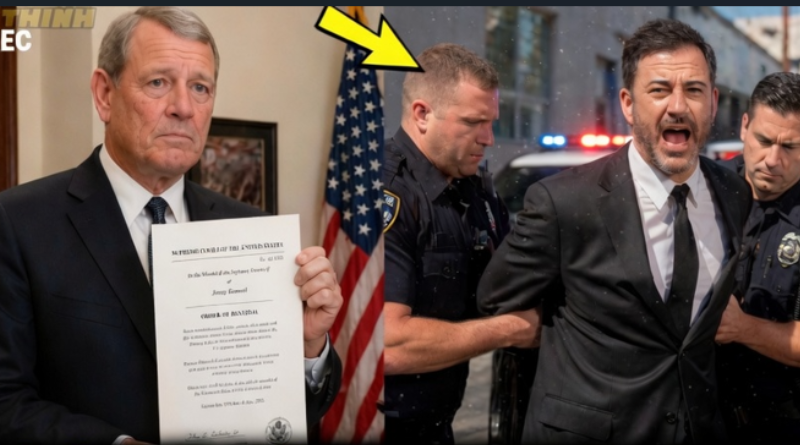
Jimmy Kimmel has become the center of a public controversy following backlash over a joke he made about First Lady Melania Trump during a recent broadcast. In the segment, Kimmel made a remark describing her as having the “glow of an expectant widow,” a line that quickly circulated online and triggered strong reactions from viewers and political commentators.
The timing of the joke intensified the criticism, as it came shortly before widely reported security concerns involving former President Donald Trump. While there is no confirmed connection between the comment and any real-world events, critics argued that the remark was in poor taste and could be interpreted as contributing to a tense and polarized political atmosphere.
Melania Trump responded publicly, condemning the joke as “hateful and violent rhetoric” and stating that public figures, especially those with large platforms, carry a responsibility to avoid language that could deepen divisions or encourage hostility. Her statement fueled further debate, with supporters echoing her concerns and calling for accountability from both Kimmel and the network that airs his program.
The controversy has since expanded into a broader discussion about the limits of political comedy. Some commentators argue that satire is meant to push boundaries and challenge public figures, and that comedians should not be held responsible for how audiences interpret their humor. Others, however, believe that jokes referencing death, violence, or tragedy—especially involving real political leaders—risk normalizing harmful discourse.
Calls for disciplinary action, including demands for Kimmel’s resignation or suspension, have gained traction among critics, while supporters defend his right to comedic expression. The network has not announced any formal action, but the situation has placed additional scrutiny on how broadcasters manage politically sensitive content.
Ultimately, the incident highlights the ongoing tension between free expression and social responsibility in modern media, raising questions about where the line should be drawn in political satire and who gets to decide it.