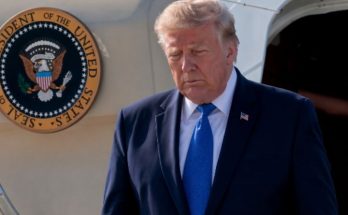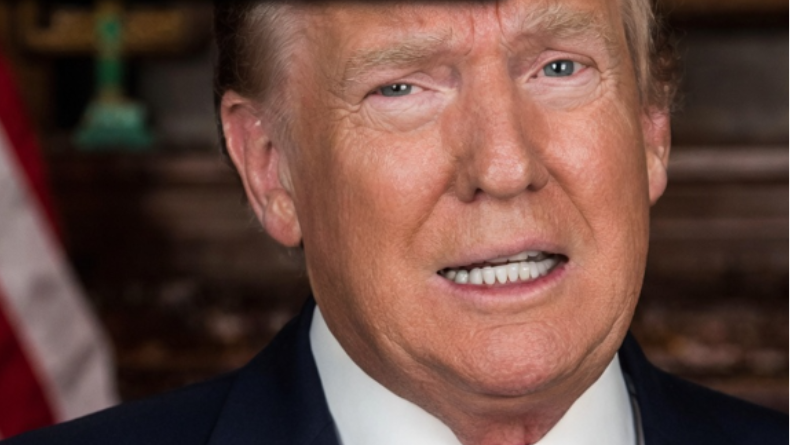
On a historic Thursday, the U.S. justice system took an unprecedented step: formally charging a former president with conspiring against the government he once led. The indictment alleges that Donald Trump engaged in efforts to defraud the United States, obstruct the peaceful transfer of power, and violate constitutional rights. At the heart of the case is a striking claim — that attempts to overturn the 2020 election were not mere political posturing, but a coordinated effort to undermine a lawful democratic process.
For many Americans, the charges represent long-overdue accountability. They see in them a reaffirmation that no one, not even the highest officeholder, is above the law. For others, however, the indictment feels like an attack on a political figure they admire, deepening divisions and fueling distrust in institutions. The nation finds itself in a rare moment, where legal proceedings — not political theater or media soundbites — determine the outcome of one of the most consequential chapters in modern American history.
The courtroom, rather than cable news, has become the central stage for a debate over democracy, responsibility, and the limits of power. How this case unfolds will shape public understanding of accountability in a system designed to balance authority with oversight. It is a reminder that the foundations of governance rest not only on elections, but also on adherence to the law, respect for constitutional rights, and trust in institutions.
Regardless of the verdict, the case is already leaving an indelible mark. It forces the country to confront uncomfortable questions about leadership, the resilience of democratic processes, and the fragility of public trust. In that confrontation, Americans are witnessing not just a legal battle, but a test of the principles that hold their democracy together.