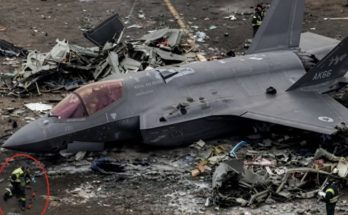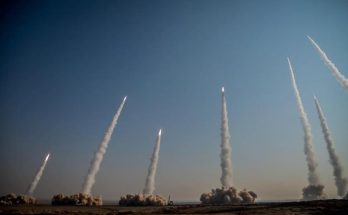
In a significant escalation of the Middle East conflict, Iran launched ballistic missiles toward Tel Aviv, reportedly equipped with cluster warheads. Iranian officials stated that the हमला was in retaliation for the assassination of a senior Iranian security figure, which they attributed to Israeli forces.
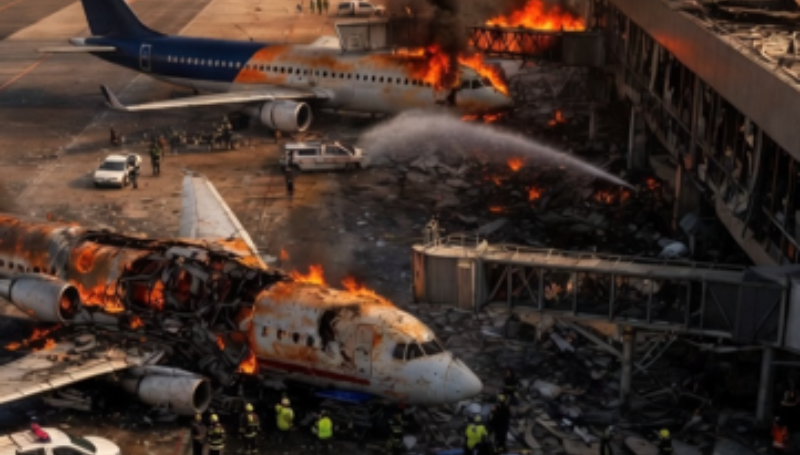
The strikes lit up the skies over central Israel, caused infrastructure damage, and resulted in the deaths of at least two civilians. The use of cluster munitions has raised serious humanitarian concerns, as these weapons release multiple submunitions over a wide area, many of which may remain unexploded and pose long-term risks to civilians.
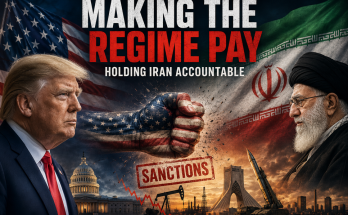
This घटना is part of a broader wave of escalating hostilities that has intensified since early 2026. Iran has carried out multiple attacks not only on Israeli territory but also on U.S. military bases and allied facilities across the Gulf region, including Kuwait, Bahrain, the United Arab Emirates, and Saudi Arabia. These actions followed a series of high-profile assassinations of Iranian officials, which Tehran has vowed to avenge. In response, Israel and the United States have launched airstrikes داخل Iran, targeting military installations and aspects of its nuclear program, further widening the scope of the conflict.
Although Israel has deployed advanced missile defense systems such as Iron Dome and Arrow-3, the scale and sophistication of the attacks have made full interception difficult. As a result, civilian casualties and property damage continue to rise on both sides. Meanwhile, the global impact is becoming increasingly visible, with energy markets reacting sharply to attacks on Gulf infrastructure and diplomatic efforts failing to de-escalate tensions, leaving the region in a highly unstable and uncertain state.