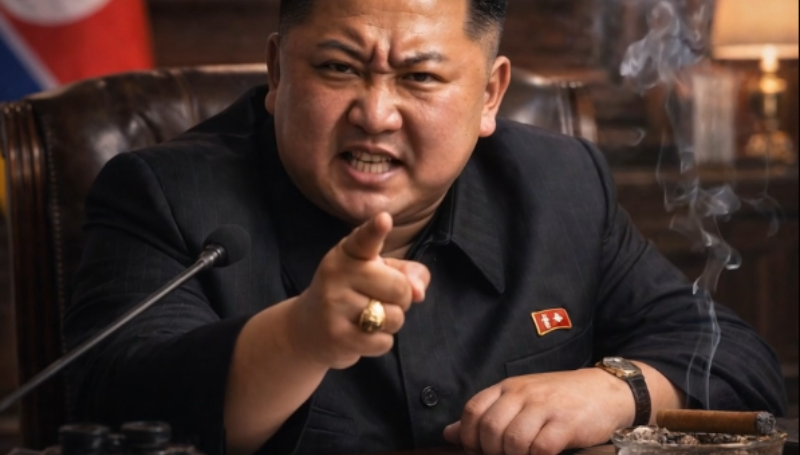
Rising geopolitical tensions often produce strong rhetoric, but separating verified facts from interpretation is essential. Claims that Donald Trump issued a direct warning to China about arming Iran—and that Kim Jong Un reacted with visible anger—are not supported by clear, publicly confirmed evidence. North Korea remains one of the most opaque countries in the world, and reports about Kim’s personal emotions are rarely reliable unless released through official state channels.
However, the broader strategic context behind such narratives reflects real patterns in international politics. North Korea has long viewed nuclear weapons as essential to its survival. From Pyongyang’s perspective, the experiences of countries like Iraq and Libya serve as cautionary examples—states that lacked strong deterrence capabilities and later faced external intervention. This historical lens has shaped North Korea’s continued investment in nuclear and missile programs.
During Trump’s presidency, relations between the United States and North Korea moved through dramatic shifts. Early periods of intense rhetoric raised fears of military confrontation, but these tensions later gave way to unprecedented diplomatic engagement, including direct meetings between Trump and Kim. Despite these developments, North Korea never wavered in its core position that nuclear strength is key to maintaining sovereignty.
China, Iran, and North Korea, while sometimes aligned in opposition to U.S. influence, do not operate as a single coordinated bloc. Each country pursues its own strategic interests based on regional priorities and national goals.
Ultimately, while bold narratives can capture attention, a careful distinction between confirmed events and interpretation is necessary to better understand the complexities of global power dynamics.