An Arabic-language post circulating on X claims that China has taken a firm position against recent U.S. sanctions targeting entities involved in purchasing Iranian oil. According to the post, China’s Ministry of Commerce reportedly stated that it does not recognize these sanctions and will not comply with them. The sanctions in question are said to target Chinese refineries and commercial firms allegedly engaged in importing crude oil from Iran, a trade that remains highly sensitive due to ongoing international restrictions on Iranian energy exports.
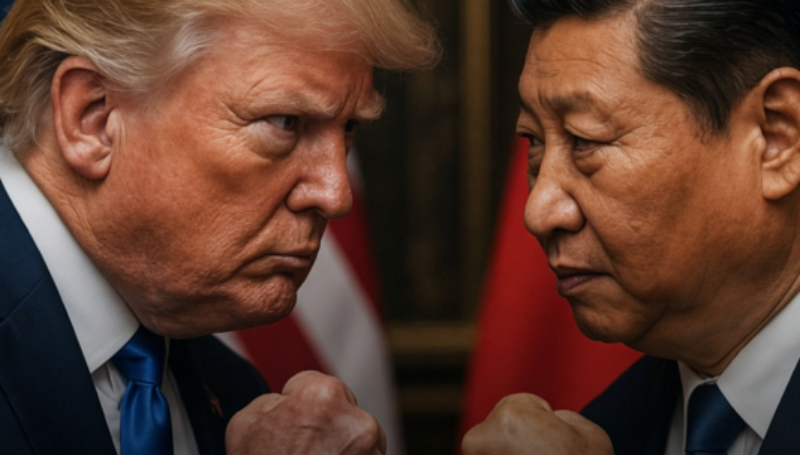
The post frames China’s reported response as a direct rejection of U.S. efforts to enforce so-called secondary sanctions, which are designed to discourage third countries and companies from doing business with Iran’s petroleum sector. These measures have been a longstanding point of friction in global trade policy, particularly between Washington and Beijing. The accompanying image in the post—showing former U.S. President Donald Trump and Chinese President Xi Jinping in a tense and confrontational posture—visually reinforces the narrative of escalating geopolitical and economic rivalry between the two powers.
According to the claims, China’s position is consistent with its broader criticism of unilateral sanctions imposed outside the framework of the United Nations. Beijing has frequently argued that such measures are politically motivated and interfere with the sovereign right of countries to conduct trade according to their own economic interests. In practice, China remains one of the largest importers of Iranian crude oil, and reports have long suggested that it accounts for a significant share of Iran’s oil exports, often using indirect shipping routes and alternative financial arrangements to facilitate continued trade despite restrictions.
The reported stance also aligns with China’s domestic legal framework, including its anti-foreign sanctions law, which is intended to shield Chinese companies and individuals from the impact of external punitive measures. This law provides a legal basis for firms to resist or mitigate compliance with foreign-imposed restrictions when they are deemed inconsistent with Chinese national interests or sovereignty.
However, it is important to note that the information originates from a social media post summarizing alleged official remarks, and full confirmation would require verification through formal statements from China’s Ministry of Commerce or state-run media outlets. As such, while the claim reflects ongoing tensions over Iran-related sanctions and global energy trade, the precise wording and official context may differ from the version circulating online.