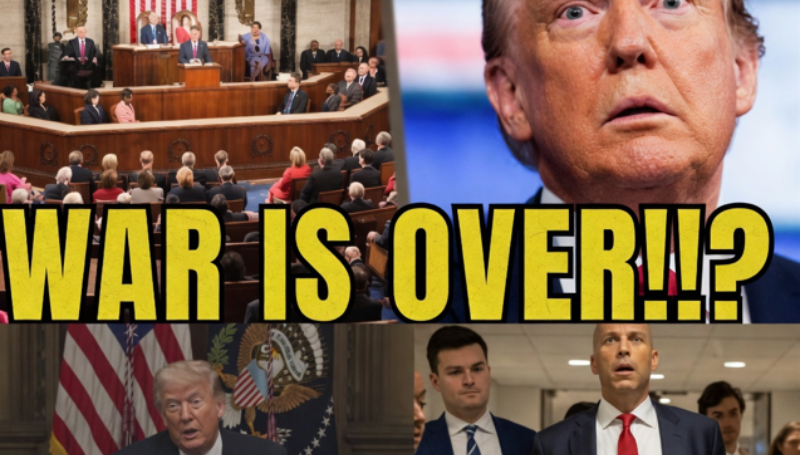
In a series of contentious hearings at the Dirksen Senate Office Building, lawmakers have challenged the direction of U.S. defense policy as the country approaches the 2026 midterm elections. Secretary of Defense Pete Hegseth appeared before the Senate to defend a sweeping set of military reforms and ongoing overseas operations that have become a focal point of political and constitutional debate in Washington.
At the center of the discussion is a major restructuring of senior military leadership. More than two dozen high-ranking officers have been dismissed or reassigned in recent months, prompting questions from senators about the criteria used for those decisions. Critics argue that the changes risk politicizing the armed forces and undermining long-standing norms of apolitical military service. Some lawmakers also pointed to demographic patterns in the dismissals, raising concerns about whether merit-based evaluations were consistently applied. Hegseth, however, rejected those claims, insisting that the reforms are intended to restore operational effectiveness and correct what he described as years of misplaced priorities within the defense establishment.
The hearings also addressed broader cultural changes within the military. Several senators questioned recent public messaging and internal initiatives that appear to place greater emphasis on religious identity in official military contexts. Critics warned that such trends could blur the constitutional separation between government institutions and religion, potentially affecting morale and cohesion in a diverse fighting force. Supporters of the administration countered that references to shared values and traditions are not exclusionary but instead reinforce unity and purpose among service members.
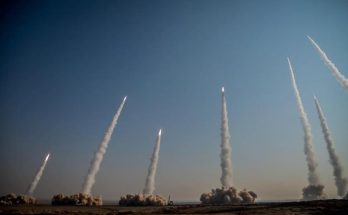
Foreign policy concerns dominated much of the session, particularly regarding ongoing military operations in the Middle East. Lawmakers examined the effectiveness and legal foundation of a sustained campaign targeting Iranian military infrastructure. According to figures discussed during the hearing, thousands of strikes have been conducted, yet assessments suggest that significant portions of Iran’s drone and missile capabilities remain intact. Senators raised concerns that the operation has yet to achieve its strategic objectives while imposing substantial financial costs on the United States.
Questions were also raised about the authorization and oversight of the conflict. Some members of Congress argued that the scope of military action appears to have expanded under executive authority without clear legislative approval, reigniting long-standing debates over the War Powers Resolution and congressional responsibility in matters of armed conflict. The use of classified briefings and restricted legal opinions further complicated oversight efforts, with several senators stating that they lacked sufficient access to evaluate the full scope of operations.
Another major topic was the increasing integration of artificial intelligence into military decision-making processes. Lawmakers expressed concern over the potential for AI systems to play a role in targeting or operational planning, particularly in scenarios involving high-risk or strategic assets. While defense officials emphasized that human oversight remains central, questions persist about transparency, accountability, and the limits of automated systems in combat environments.
Maritime operations conducted in international waters were also scrutinized, with legal experts and senators debating the justification for such missions under existing international and domestic law. Critics argued that the legal framework remains unclear, while defense officials maintained that operations are conducted under established authorities.
As the hearings concluded, it was clear that fundamental disagreements remain over the future direction of U.S. military policy. With rising political tension and continued overseas engagements, the debate is expected to intensify as the nation moves closer to the 2026 midterm elections.