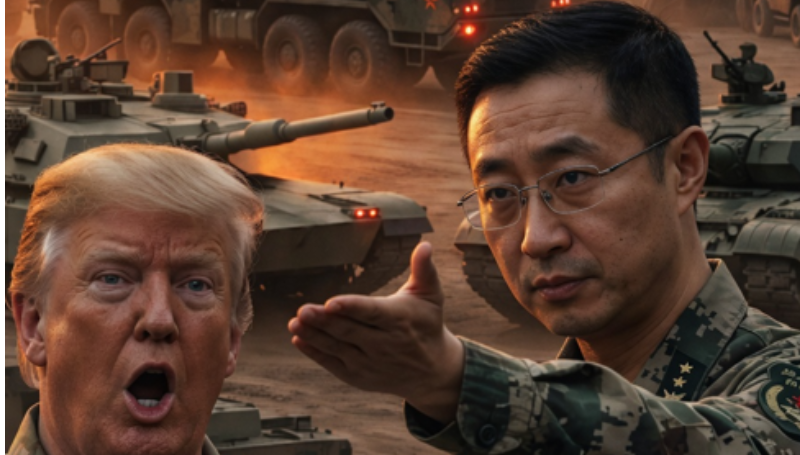
Reports circulating on social media have drawn attention to renewed tensions between the United States and China after a strongly worded response from Beijing to recent political claims attributed to former U.S. President Donald Trump. The discussion centers on statements allegedly made by a spokesperson from China’s Ministry of Foreign Affairs, which have been widely shared online alongside sensational headlines.
According to the viral posts, Chinese officials rejected claims suggesting that Beijing had altered its position on weapons-related cooperation with Iran under pressure from Washington. The statements attributed to spokesperson Guo Jiakun emphasize that such narratives are false and urged the public to avoid spreading what were described as “hoaxes” or misinformation. However, the wording circulating online appears heavily condensed and dramatized, a common feature of social media summaries that often amplify tone while omitting broader context.
The situation highlights ongoing sensitivity in relations between the United States and China, two global powers whose diplomatic exchanges frequently draw international attention. The relationship between the United States and China has long been marked by disagreements over trade policy, military activity in the Asia-Pacific region, technological competition, and differing alliances in the Middle East, including issues involving Iran.
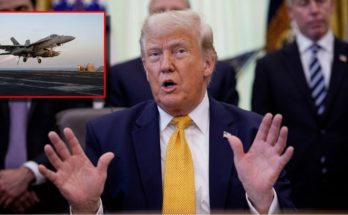
In the latest wave of online discussion, references were also made to Donald Trump, who remains a prominent political figure and former president of the United States. Social media users linked his past statements on foreign policy with the current diplomatic exchange, although no verified connection between him and the specific claims about Iran has been clearly established in authoritative reporting.
Experts often note that fast-moving news cycles and algorithm-driven platforms can amplify partial information, especially when it involves geopolitically sensitive topics. Statements released by government officials are sometimes paraphrased or translated inconsistently across platforms, which can lead to confusion about what was actually said versus what is being interpreted or added in viral reposts.
At the center of the discussion is the broader issue of information reliability in international affairs. Diplomatic comments, particularly between major global powers like China and the United States, are typically carefully worded and released through official channels. When these statements are shared on social media, they are frequently shortened, reframed, or combined with commentary that can shift the perceived meaning.
As of now, there is no widely confirmed independent reporting verifying the more dramatic interpretations circulating online regarding alleged shifts in China’s stance on Iran-related military supply issues. Analysts recommend relying on primary sources, such as official ministry statements or established international news agencies, to avoid misinterpretation.
While the online reaction reflects genuine interest in global geopolitical dynamics, it also underscores how quickly unverified or selectively framed content can spread, especially when it involves high-profile figures like Donald Trump and major powers such as China and the United States.