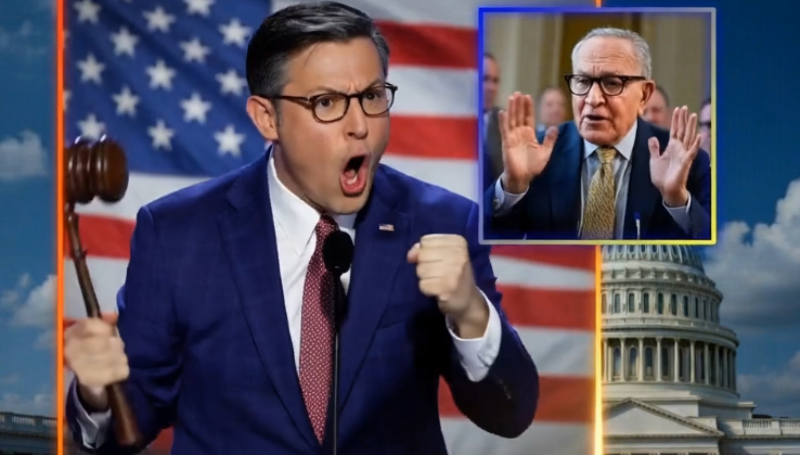
WASHINGTON — Congressional Leaders Debate Future of Healthcare Subsidies
The U.S. House of Representatives is preparing for a significant vote this week on a proposal to extend enhanced tax credits tied to the Affordable Care Act. The measure, supported by members of both parties, aims to prevent potential increases in healthcare costs for millions of Americans who rely on these subsidies.
House Speaker Mike Johnson has scheduled the vote as part of a broader effort to address concerns about affordability in the ind ividual insurance market. While Democrats have generally supported extending the subsidies, some Republicans have indicated openness to a temporary extension, particularly if it includes policy changes related to spending and program oversight. The proposal is expected to serve as a starting point for negotiations with the Senate, where lawmakers are likely to consider additional revisions. Key areas of discussion include eligibility thresholds for subsidies and mechanisms designed to reduce improper enrollments.
Policy Debates Highlight Differences Within Parties
Recent comments from Donald Trump have drawn attention to ongoing internal discussions within the Republican Party. Trump has suggested that lawmakers consider a pragmatic approach to long-standing policy disagreements, including those related to the Hyde Amendment, which restricts the use of federal funds for most abortion services. The issue remains a point of contention in healthcare negotiations. Some policymakers argue that flexibility could help advance broader legislation, while others maintain that existing restrictions should remain unchanged. Democrats, meanwhile, have generally supported removing such limitations, citing concerns about access and equity.
Senate Priorities Focus on Cost Controls and Oversight
In the Senate, Majority Leader John Thune has emphasized the importance of pairing any subsidy extension with structural reforms. Among the proposals under consideration are adjustments to income eligibility levels and increased oversight of enrollment practices. Some lawmakers have raised concerns about automatic enrollment systems, particularly in cases where individuals may be signed up for plans with little or no premium cost. Supporters of reform argue that additional safeguards could help reduce potential misuse, while others caution that such systems have played a role in expanding coverage to underserved populations. Another area of interest is the potential expansion of health savings accounts (HSAs), which allow individuals to set aside pre-tax income for medical expenses. Proponents view HSAs as a way to give consumers more flexibility, while critics note that their benefits may be limited for lower-income households.
Political Implications Ahead of Midterm Elections
The outcome of the healthcare debate could carry political significance as lawmakers look ahead to upcoming elections. Healthcare has consistently been a major issue for voters, and both parties have sought to position themselves as addressing affordability and access. Extending the tax credits could help stabilize insurance markets in the short term, but longer-term reforms remain uncertain. Analysts note that bipartisan cooperation will likely be necessary to reach a final agreement, particularly given the narrow margins in Congress.
Local Governance Challenges in New York City
Separately, officials in New York City are facing budgetary pressures that are influencing policy decisions. Zohran Mamdani, a public figure involved in local politics, has been associated with debates over housing affordability and public spending. City leaders are evaluating programs such as rental assistance and development initiatives aimed at increasing the supply of affordable housing. However, rising costs and budget constraints have led to difficult trade-offs, including reconsideration of certain proposals and exploration of new revenue sources. Among the options under discussion are adjustments to parking policies and potential changes to property taxation. These measures reflect broader challenges faced by large cities in balancing fiscal sustainability with public service commitments.
Conclusion
As debates continue in Washington and at the local level, policymakers are navigating complex questions about cost, access, and the role of government in healthcare and housing. The coming weeks are expected to bring further negotiations, with outcomes that could affect millions of Americans.