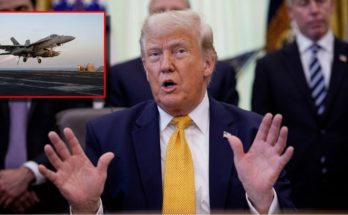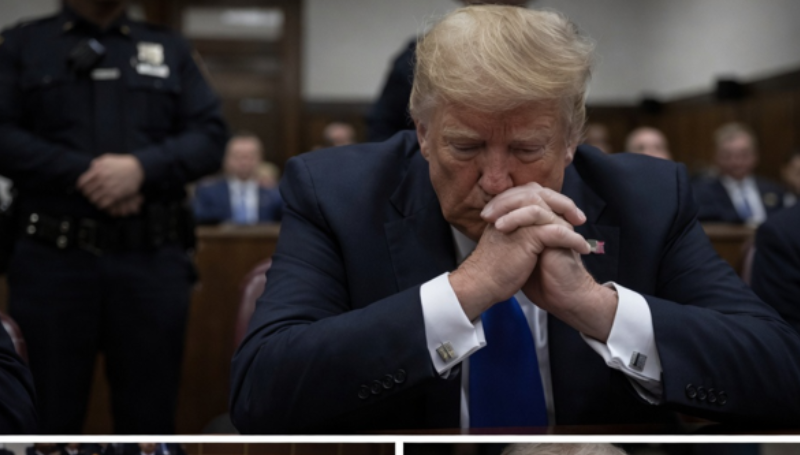
A wave of online claims and unverified reports has circulated alleging a major legal development involving former President Donald Trump, the U.S. Supreme Court, and the long-running investigation into Jeffrey Epstein. According to these narratives, the Supreme Court has supposedly ruled that Trump does not have full immunity from legal process in matters unrelated to official presidential duties, potentially opening the door to a subpoena connected to the Epstein case. However, these claims have not been confirmed by any official court records or established legal reporting.
The circulating accounts further suggest that the alleged ruling came shortly after former President Bill Clinton provided testimony in the same broader inquiry. This detail has fueled speculation across social media platforms, with some posts claiming investigators are expanding their review of historical associations between high-profile political figures and Epstein. Still, no verified evidence or official statements support the existence of such testimony being part of a Supreme Court-linked process.
Jeffrey Epstein, a financier who was convicted of sex crimes and faced additional federal charges prior to his death in custody in 2019, remains the subject of extensive public scrutiny due to his connections with influential individuals in politics, business, and entertainment. Ongoing civil litigation and investigative efforts have continued in various forms, but the specific scenario described in the viral claims does not align with confirmed legal proceedings.
Legal experts emphasize that while questions of presidential immunity have been addressed in different contexts by the Supreme Court over time, there is no known ruling tying such doctrines to Epstein-related subpoenas or authorizing specific investigative actions against former presidents in this case. Assertions of sweeping new legal authority or direct involvement of the Court in directing subpoenas in this context appear to stem from unverified or speculative sources.
The claims also reference potential future subpoenas and expanded investigative actions. However, no credible reporting from established news organizations or court filings corroborates these developments. As with many high-profile political stories circulating online, fragments of real legal concepts and historical associations are often combined with speculative or misleading details, creating narratives that can be mistaken for confirmed events.
As of now, there is no official confirmation supporting the existence of a Supreme Court ruling of this nature, and the described developments should be treated as unverified claims rather than established fact.