China Signals Support for Iran as Trump Warns U.S. Is Ready to Confront Any Challenge
Global tensions are escalating as China expresses strong backing for Iran amid a deepening conflict in the Middle East. At the same time, U.S. President Donald Trump has issued a firm warning, stating that the United States is fully prepared to confront any nation that challenges its interests or global standing.
Beijing’s position follows increasing military pressure on Iran, prompting Chinese officials to voice concern over what they describe as destabilizing actions. They warned that relying on unilateral military force risks undermining international stability and could push the region toward a broader crisis. According to Chinese statements, global security should be guided by multilateral cooperation rather than dominance by any single power.
China also underscored its support for Iran’s sovereignty, emphasizing that external interference could have far-reaching consequences. Officials pointed to the potential disruption of global energy supplies and vital trade routes, both of which depend heavily on stability in the Middle East. Analysts suggest that China’s stance may go beyond diplomatic messaging, with the possibility of expanded economic partnerships, political coordination, or other forms of strategic support for Tehran if tensions continue to rise.
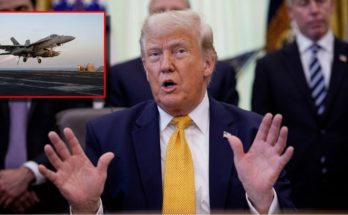
In Washington, President Trump responded with a strong and uncompromising message. He made it clear that the United States would not retreat from its commitments in the region and is ready to respond to any threats. Trump emphasized that maintaining American influence remains a core priority and warned that any attempt to challenge U.S. power would be met with decisive action.
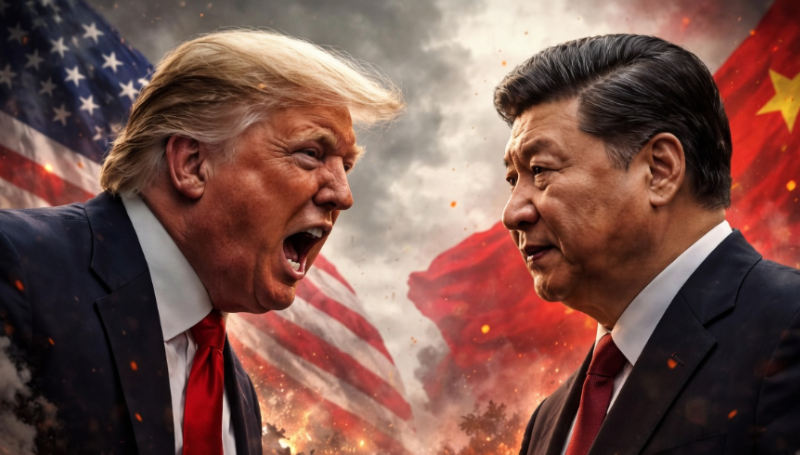
His remarks reflect a broader hardline approach, signaling that the United States intends to remain assertive as global rivalries intensify. The contrast between Washington’s and Beijing’s positions highlights a widening divide between major powers, raising concerns about the risk of escalation. With both countries asserting their influence, the situation is becoming increasingly complex and potentially volatile.
Observers warn that even a limited confrontation could spiral into a larger conflict, especially given the number of actors involved and the strategic importance of the region. The Middle East has long been a focal point for global energy and security concerns, making any instability there a matter of international consequence.
As tensions grow, many analysts believe the situation could reshape the global geopolitical landscape. The involvement of multiple powerful nations increases the likelihood that a regional dispute could evolve into a broader international crisis. This possibility has prompted calls for restraint and renewed diplomatic efforts to prevent further escalation.
With major world powers now openly signaling their positions, the stakes are higher than ever. The international community is watching closely, aware that a single miscalculation could have far-reaching consequences. In this uncertain environment, the path forward will likely depend on whether diplomatic solutions can prevail over confrontation, or whether rising tensions will continue to push the world closer to a larger and more dangerous conflict.