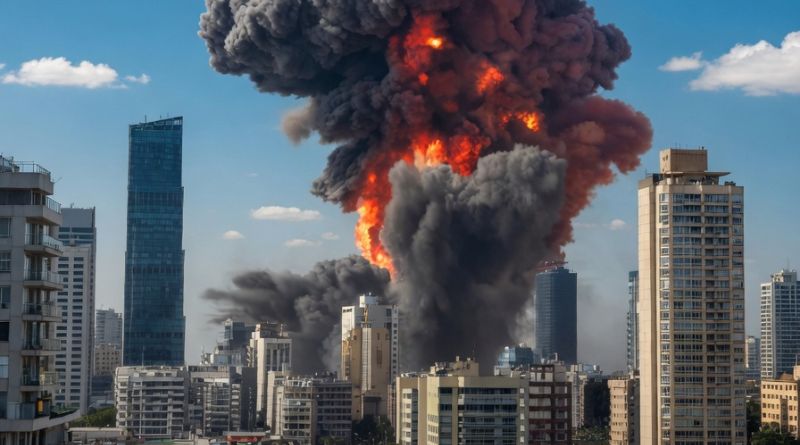
Tensions in the Middle East have intensified in recent days, particularly between Iran and Israel, raising concern across the international community. Governments and global organizations are paying close attention to the situation, especially due to the presence of sensitive nuclear facilities that could pose serious risks if affected by conflict.
Various reports circulating online have suggested that ongoing military actions, including missile exchanges, may threaten nuclear-related sites. These claims have contributed to growing anxiety, but many remain unverified by independent or official sources. Experts continue to caution against drawing conclusions too quickly, stressing the importance of relying on confirmed information rather than speculation.
Several key facilities connected to Iran’s nuclear program have been at the center of discussions. These include the Bushehr Nuclear Power Plant, which is the country’s primary nuclear power station, as well as the Natanz Nuclear Facility and the Fordow Fuel Enrichment Plant. Both Natanz and Fordow are significant uranium enrichment sites that have long been monitored by international authorities.
Attention has also extended to Israel’s Negev Nuclear Research Center. While some commentary has raised concerns about potential risks in the surrounding area, there has been no confirmed evidence of any damage or breach at the facility itself.
The International Atomic Energy Agency has been actively monitoring developments. As the global authority on nuclear oversight, the agency routinely tracks such situations and works to ensure that nuclear materials remain secure. Officials have indicated that discussions are underway to assess any possible risks and to reinforce safety protocols. These types of reviews are standard during periods of geopolitical tension involving nuclear infrastructure.
Nuclear facilities are built with strict safety systems designed to prevent accidents and protect both people and the environment. International guidelines require multiple layers of security, constant monitoring, and well-prepared emergency response strategies. Even in times of conflict, there are established frameworks intended to maintain communication and reduce the likelihood of incidents.
As events continue to unfold, the situation remains under close observation by governments and international bodies. Diplomatic efforts often increase during such periods in an attempt to de-escalate tensions. For now, experts emphasize that verified information from credible institutions is essential for understanding the true state of affairs and avoiding unnecessary alarm.