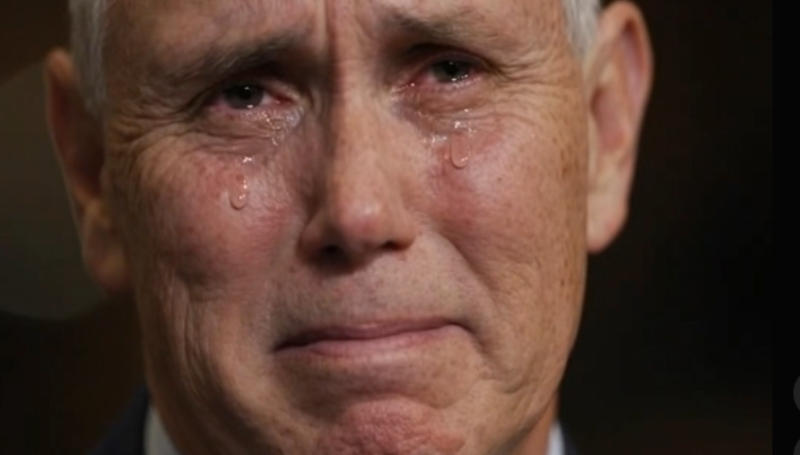
Former Vice President Mike Pence has sharpened his public criticism of former President Donald Trump, underscoring a widening ideological divide within the Republican Party. The disagreement reflects a broader debate over the future direction of U.S. foreign policy, particularly the role of American leadership abroad.
Speaking on Meet the Press, Pence took issue with remarks Trump made during a recent trip to the Middle East. Pence criticized Trump’s dismissal of past Western-led nation-building efforts, calling such rhetoric a “disservice” to American troops who served in conflicts in Iraq and Afghanistan. He emphasized that, regardless of the outcomes, those missions represented significant sacrifices in the name of global stability and U.S. interests. The dispute centers on a speech Trump delivered in Riyadh, Saudi Arabia, where he praised the rapid development of regional cities such as Abu Dhabi. Trump argued that their success was driven primarily by local leadership rather than foreign intervention. He used the moment to reiterate his long-standing skepticism toward U.S. foreign policy strategies that involve deep, prolonged engagement in other nations’ internal affairs. This perspective is consistent with Trump’s “America First” philosophy, which prioritizes domestic concerns and advocates for limiting U.S. involvement in extended overseas conflicts. His approach has resonated with a segment of Republican voters who are increasingly wary of costly foreign interventions. Pence, however, offered a contrasting view. While he acknowledged that Trump’s diplomatic tour—also including visits to Qatar and the United Arab Emirates—achieved positive engagement in the region, he rejected the broader implication that past U.S. efforts abroad were misguided. Instead, Pence defended the moral and strategic rationale behind American interventionism, arguing that it has played a crucial role in promoting security and democratic values. By drawing this distinction, Pence is aligning himself with a more traditional Republican stance on foreign policy, one that supports active U.S. leadership on the global stage. His comments highlight an ongoing struggle within the party between interventionist and more isolationist perspectives, a divide likely to shape its future identity.