The controversy has continued to reverberate well beyond the initial political statements, developing into a broader discussion about how allied nations acknowledge shared military history and the language used by senior officials when referring to combat experience and sacrifice.
Within defence and policy communities, the dispute is being interpreted less as a single diplomatic misstep and more as a reminder of how sensitive the legacy of the Iraq and Afghanistan wars remains. These conflicts, in which British and American forces operated side by side for two decades, continue to shape perceptions of international cooperation. Analysts in the United Kingdom have noted that even brief or informal remarks can carry significant diplomatic and emotional weight when they touch on casualties, service, and joint operations.
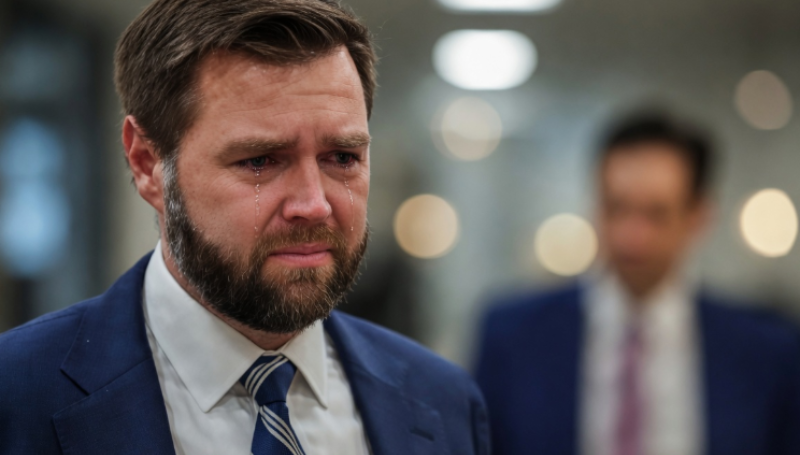
Much of the criticism has focused on concerns that comments attributed to J.D. Vance may be seen as downplaying the contribution of allied forces who fought alongside American troops. Veterans’ organisations in Britain have emphasised that the 636 UK service members who died in Iraq and Afghanistan represent more than a statistic; they reflect a sustained commitment to coalition missions under NATO frameworks and shared operational objectives.
In London, political commentators suggest that the response from senior figures such as Keir Starmer reflects an effort to carefully manage tensions while still defending the standing of the British armed forces. The approach has been to maintain diplomatic stability with Washington while ensuring that the sacrifices of UK personnel are formally recognised and not diminished in public discourse.
Opposition politicians, including James Cartlidge and James Cleverly, have called for clearer acknowledgment from U.S. officials, warning that perceptions of dismissiveness could affect public sentiment and political trust, even if formal defence cooperation remains unchanged. At the same time, veterans such as Andy McNab have framed the issue primarily in terms of respect within the military profession, stressing the importance of recognising shared service history regardless of political context.
Despite the criticism, defence analysts broadly agree that the episode is unlikely to cause lasting damage to the UK–U.S. “special relationship.” The partnership, anchored in NATO, intelligence sharing, and decades of joint military operations, remains structurally strong. However, it is also highly dependent on careful diplomatic language and mutual recognition of sacrifice.
For now, both governments appear focused on limiting further escalation. Nonetheless, the incident has prompted renewed discussion in Britain about how military contributions are acknowledged internationally and how future leaders should communicate about shared wartime history in an era of heightened political sensitivity and scrutiny.