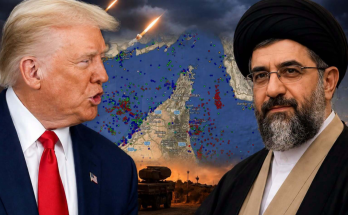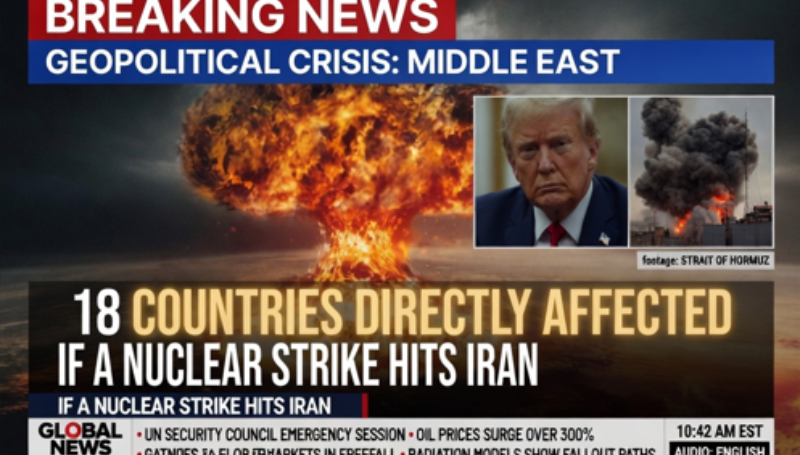
Concerns over a potential escalation in global tensions have intensified following heightened rhetoric involving the United States and Iran, alongside reports of a temporary ceasefire agreement that briefly eased immediate fears. Despite this short-term de-escalation, uncertainty continues to surround the broader geopolitical situation, with analysts warning that any major conflict between regional and global powers could carry consequences far beyond the countries directly involved.
The possibility of nuclear conflict remains one of the most serious concerns in international security discussions. In the event of a nuclear detonation, the destruction would be both immediate and extreme. Areas closest to the blast would face near-total annihilation, as intense heat and pressure would destroy buildings, infrastructure, and life within seconds. Even at greater distances, the blast wave would cause widespread structural collapse, ignite fires across urban zones, and overwhelm emergency response systems.
Beyond the initial explosion, radiation presents a long-term and highly dangerous threat. Exposure can lead to severe illness, genetic damage, and increased cancer risk, while contaminated environments may remain unsafe for human habitation for years or even decades. The lingering nature of radioactive fallout means that the consequences of such an event would extend well beyond the immediate impact zone.
Recent political statements and media coverage have added to public concern, with remarks attributed to senior political figures circulating widely and being interpreted in different ways. Some of this rhetoric has been viewed as signaling potential escalation, while other interpretations suggest strategic messaging within ongoing diplomatic tensions. Regardless, such language has contributed to heightened global attention and anxiety.
Regional dynamics further complicate the situation. Iran shares borders with multiple countries, including Iraq, Turkey, Armenia, Turkmenistan, Afghanistan, and Pakistan. In the event of a nuclear incident, environmental conditions such as wind patterns could influence the spread of radioactive material, potentially exposing neighboring populations to serious health risks.
In addition, countries across the Persian Gulf—such as Kuwait, Bahrain, the United Arab Emirates, Qatar, Saudi Arabia, and Oman—could face indirect consequences. Shared environmental systems, including air currents and reliance on desalinated seawater, create additional vulnerabilities in the event of widespread contamination.
Experts generally agree that the effects of any nuclear conflict would not remain confined to a single location. Instead, they would likely produce cascading humanitarian, environmental, and economic consequences across multiple regions. While the exact outcomes are impossible to predict, the long-term risks underscore the importance of diplomatic efforts aimed at preventing further escalation and maintaining regional stability.