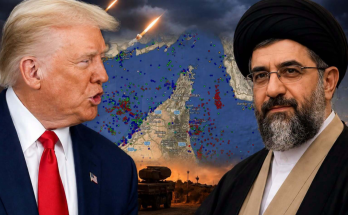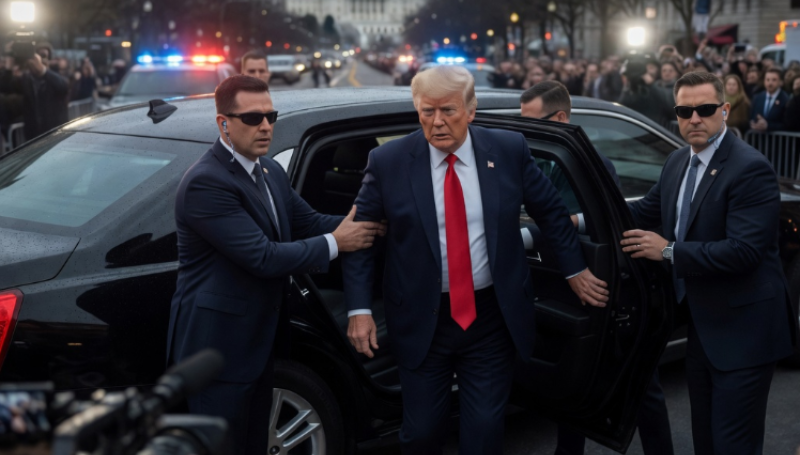
Alarm spread rapidly across social media today following viral posts that falsely claimed Donald Trump had been “shot again” in Washington, D.C. The dramatic language of the posts immediately triggered confusion and alarm online, leading many users to speculate about a possible security incident involving the former U.S. president. Within minutes, the claim began circulating widely across platforms, amplified by reposts, screenshots, and emotionally charged commentary from both supporters and critics.
As the situation developed, however, it became clear that the claim had no factual foundation. No credible news organization, law enforcement agency, hospital, or official government source confirmed any such event. In cases involving a figure of Trump’s prominence, any genuine security incident would normally be reported almost immediately by major media outlets and accompanied by official statements from relevant authorities. The absence of verification from institutions such as the U.S. Secret Service strongly indicates that the viral narrative was false.
Investigations into the origin of the rumor suggest it was driven by misleading social media content. Some posts repurposed unrelated or outdated footage, while others used vague captions and sensational headlines designed to attract attention rather than provide accurate information. In the fast-moving online environment, such posts can spread widely before fact-checking mechanisms or official clarifications are able to intervene.
Some of the confusion may also be linked to a real and widely reported incident in 2024, when Donald Trump was injured during an assassination attempt at a political rally in Butler, Pennsylvania. That event received extensive media coverage, triggered formal investigations, and led to increased security measures. Since then, authorities have addressed additional threats, but there has been no verified repeat of a similar attack.
Experts emphasize that false reports involving public figures can have serious consequences. Even when untrue, they may generate unnecessary panic, strain emergency communication channels, and contribute to public misinformation fatigue. Over time, repeated exposure to such claims can also weaken trust in legitimate news sources and official statements.
Political analysts note that high-profile figures are often frequent targets of fabricated stories, particularly during periods of heightened political tension. Sensational claims tend to spread quickly because they evoke strong emotional reactions, encouraging users to share them without verification.
At present, all verified information confirms that no shooting involving Donald Trump has occurred in Washington, D.C. or elsewhere. Authorities continue to urge the public to rely on reputable news organizations and official updates when assessing breaking news. This incident serves as a reminder of how quickly misinformation can circulate in the digital age and how important careful verification is before accepting or sharing alarming claims.