On March 9, 2026, a striking contrast unfolded as President Donald Trump addressed the House Republican Issues Conference at Trump National Doral Miami in Florida. Amid the high-stakes backdrop of ongoing U.S.-Israeli military operations against Iran, Trump delivered remarks to GOP lawmakers, followed by a lengthy news conference where he fielded questions on the conflict, oil markets, and national security. Later, he made an impromptu stop at the nearby Venezuelan restaurant El Arepazo in Doral, greeting patrons before departing for Washington, D.C.
The day was anything but quiet. In his speech to roughly 100 House Republicans gathered at his resort, Trump highlighted what he described as major strides in the Iran campaign, noting the degradation of Iranian drone and missile capabilities and naval forces. He emphasized rapid progress, suggesting the operation was advancing “ahead of schedule” and could conclude “very soon,” while framing it as part of a broader effort to reshape regional dynamics and eliminate long-standing threats.
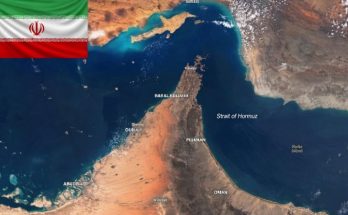
During the subsequent press conference, Trump expanded on these themes, touting the effectiveness of strikes and warning of further action if needed. He balanced assertions of success with reassurances about the conflict’s limited scope, even as questions swirled about potential endpoints, the Strait of Hormuz, and impacts on global energy prices. The event drew significant media attention, underscoring the administration’s active engagement rather than any withdrawal from the spotlight.
Yet, in the swirl of speeches, briefings, and public interactions, observers noted subtle shifts in tone. After years of relentless campaigning, legal challenges, and the intense demands of his second term, Trump’s appearances that day carried an undercurrent of strategic reflection. He spoke not only of immediate tactical gains but also of longer-term historical implications—judicial appointments from his first term, economic policies that reshaped trade and energy independence, and foreign policy moves aimed at reasserting American strength. These elements, once flashpoints of daily controversy, now seemed viewed through a wider lens of legacy.
This moment stood out precisely because Trump has rarely stepped back from public life the way many former presidents do. Instead of retreating into private reflection, he has maintained a highly visible presence, continuing to shape narratives and engage directly with supporters and lawmakers. The Doral events—energetic remarks to allies, candid exchanges with reporters, and a folksy restaurant visit—embodied his signature style: direct, unfiltered, and forward-moving.
Quiet pauses in politics are rare, but they can signal deeper awareness. Even amid the fast pace of governance and conflict, leaders occasionally convey an understanding that today’s decisions will be judged by history’s slower, more enduring verdict. Trump’s blend of assertive action and occasional contemplative framing hinted at such recognition. His administration’s changes to the judiciary, economy, and international posture have already altered the American landscape in lasting ways.
In the end, March 9 offered no grand stillness over Washington. The capital continued its rhythm as Trump wrapped up his Florida visit and returned. Yet the day illustrated a key truth: political influence may feel immediate and chaotic, but its real weight often emerges in retrospect. For a figure defined by motion and visibility, even brief moments of historical perspective carry symbolic power, reminding us that dynamic chapters in leadership eventually yield to the measured judgment of time.