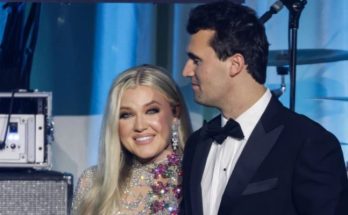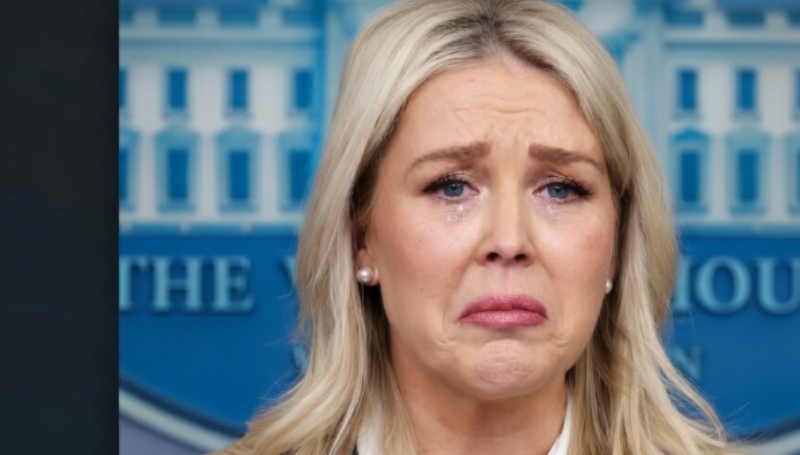
In early April 2026, White House Press Secretary Karoline Leavitt is set to launch a nationwide college speaking tour focused on free speech and student engagement. Organized by the conservative nonprofit Turning Point USA (TPUSA), the tour will begin on April 2 at George Washington University in Washington, D.C. Leavitt will appear as the first featured speaker, joined by Erika Kirk, a prominent conservative leader and the current CEO of TPUSA.
Turning Point USA, founded in 2012, has grown into a major force in conservative youth activism, promoting ideas such as limited government, free markets, and what it defines as free expression on college campuses. The organization’s founder, Charlie Kirk, played a central role in building its presence through campus events and speaking tours. His death in 2025 during a speaking engagement marked a turning point for the group, sparking national conversations about political violence and campus safety. Since then, Erika Kirk has taken on a leading role, continuing the organization’s mission and expanding its outreach to young Americans.
The upcoming tour, titled “This is the Turning Point USA Tour,” is intended both as a tribute to Charlie Kirk’s legacy and as a platform for encouraging open dialogue among students. Organizers describe the events as opportunities for meaningful discussion, where students can engage with different viewpoints and participate in conversations about civic responsibility and public policy. The tour is expected to include multiple stops across the country, including campuses in states such as Georgia and Ohio, with additional locations to be announced.
Leavitt’s participation reflects a broader effort by the current administration to connect with younger audiences and address issues related to free speech, political participation, and civic engagement. Her involvement has drawn attention not only because of her high-profile role but also due to the mixed reactions it has generated online. Supporters have praised her willingness to engage directly with students, while critics have questioned the messaging and tone of the tour.
Amid the growing attention, Leavitt shared a social media post outlining personal values she believes people “will never regret,” including spending time with family, practicing gratitude, and focusing on faith. The post, which emphasized reflection and mindfulness, became part of the broader conversation surrounding her role in the tour.
The initiative comes at a time when debates over free speech on college campuses remain highly charged. Universities often face difficult decisions when hosting politically affiliated speakers, balancing commitments to open discourse with concerns about safety and inclusivity. Events like this frequently attract both enthusiastic supporters and vocal protesters, reflecting the diverse perspectives within student communities.
Ultimately, the tour highlights the increasing importance of campus engagement in American political life. As younger generations become more politically active, initiatives like this one may play a significant role in shaping how students view free speech, public debate, and their participation in democracy.