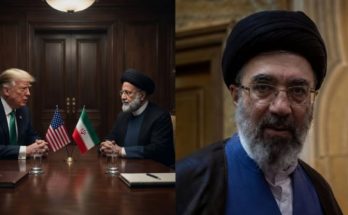
A proposed 45-day ceasefire intended to ease rising tensions and reopen the Strait of Hormuz has not yet been approved by Donald Trump, according to a White House official. The plan, developed by several countries and submitted to both the United States and Iran, represents a last-ditch diplomatic effort to prevent further escalation in an already volatile conflict.
Officials familiar with the situation described the proposal as one of several ideas currently under review, emphasizing that no final decision has been made. Meanwhile, U.S. military operations linked to the conflict are continuing without interruption. The urgency behind the proposal has grown due to fears that failure to reopen the vital shipping route could lead to major U.S. strikes on Iranian infrastructure, including power facilities.
The ceasefire plan was delivered to key figures, including U.S. envoy Steve Witkoff and Iranian Foreign Minister Abbas Araghchi. Supporters of the initiative believe the 45-day pause in fighting could provide a critical window for meaningful negotiations aimed at ending the conflict entirely. However, Iran has expressed clear opposition to a temporary ceasefire, arguing that it would allow its adversaries time to regroup and prepare for renewed attacks.
Efforts to mediate the conflict by countries such as Pakistan, Egypt, and Turkey have so far failed to yield progress. Indirect talks between the parties stalled recently, and the prospect of direct negotiations appears increasingly unlikely. Despite this, mediators remain cautiously hopeful that an agreement could still be reached before looming deadlines.
At the same time, the conflict continues to intensify. Israel has moved to strengthen its defense capabilities as hostilities persist. The government has approved plans to boost production of the Arrow missile system, a key component of its missile defense network designed to intercept long-range ballistic threats. The decision is part of broader preparations for a prolonged conflict.
The expansion will be carried out in partnership with Israel Aerospace Industries, with the goal of significantly increasing both production speed and inventory. Although some reports suggested that interceptor supplies were running low, Israeli officials have dismissed those claims, stating that current stockpiles remain adequate to defend the country.
Regional concerns extend beyond immediate military actions. The United Arab Emirates has emphasized that any ceasefire agreement must address wider security issues, including Iran’s missile and drone programs. Presidential advisor Anwar Gargash stressed that a lasting solution must ensure stability across the region and include commitments from all sides, not just the primary combatants.
Iran, meanwhile, has outlined its own conditions for ending the conflict, including the closure of U.S. military bases in the region, which it claims are being used to support attacks against it. This demand underscores the deep divisions that continue to hinder diplomatic progress.
As tensions remain high and no agreement has been finalized, the situation continues to evolve rapidly, with the coming days likely to play a decisive role in determining whether diplomacy can succeed in preventing further escalation.