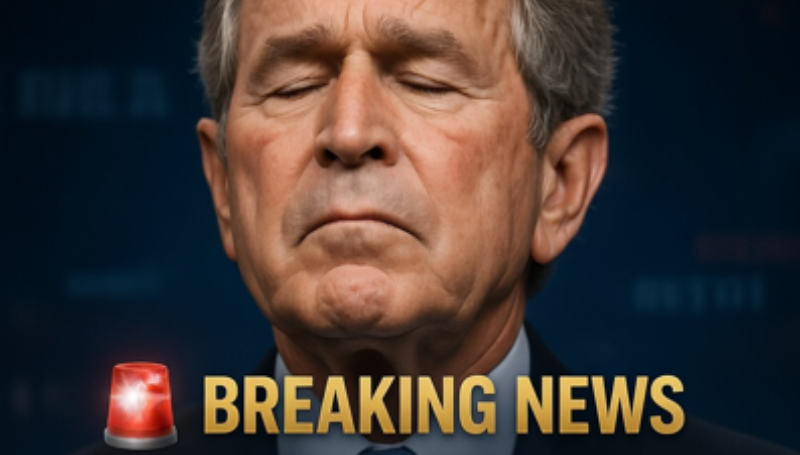
Former U.S. presidents George W. Bush and Barack Obama joined Bono in delivering an emotional farewell to employees of the United States Agency for International Development as the agency was formally dissolved as an independent body in 2025.
The private videoconference, held on June 30, marked the end of USAID’s standalone operations before its remaining responsibilities were transferred to the State Department. During the event, Obama voiced strong opposition to the decision, describing it as both “a travesty and a tragedy.” He emphasized that USAID had long been at the forefront of humanitarian and development work around the globe, calling its mission one of the most important undertaken by the United States. Obama also suggested that, over time, leaders from both political parties would likely come to view the agency’s closure as a significant error.
Bush, who has typically refrained from openly criticizing members of his own party, approached the moment from a historical perspective. He highlighted the lasting impact of initiatives launched during his presidency, particularly the President’s Emergency Plan for AIDS Relief. That program has been credited with saving millions of lives, especially in regions heavily affected by HIV/AIDS. Bush framed USAID’s work as a reflection of American compassion and moral leadership, arguing that such efforts not only help others but also advance U.S. national interests.
Bono contributed a deeply personal and emotional element to the farewell. Reading from a poem he had written for the occasion, he praised USAID staff for their dedication and rejected criticisms that had been directed at the agency. He warned that dismantling its programs could have severe global consequences, including increased disease, instability, and preventable loss of life.
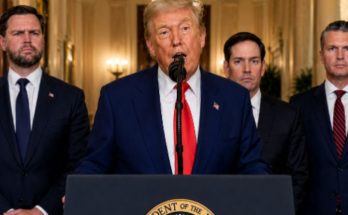
The closure of USAID followed a broader restructuring effort led by President Donald Trump. Shortly after returning to office in early 2025, Trump initiated an aggressive campaign to reduce government spending and streamline federal agencies. USAID became a central focus of these reforms, with officials arguing that many of its programs were inefficient or no longer aligned with U.S. strategic priorities. The Department of Government Efficiency, initially associated with Elon Musk, oversaw a rapid review process that resulted in the cancellation of thousands of initiatives.
Marco Rubio, who played a key role in managing the transition, defended the changes by stating that future foreign aid would be more targeted and accountable. According to Rubio, integrating these efforts into the State Department would ensure closer alignment with national interests and improve overall effectiveness.
Supporters of USAID argue that the agency’s decades of work—from disaster relief to global health programs—helped strengthen America’s influence and saved countless lives. Critics, however, maintain that its mission had expanded too broadly in recent years, leading to questionable spending and limited measurable outcomes.
The joint appearance by Bush and Obama, along with Bono’s advocacy, underscored the depth of concern among some leaders and public figures. Their remarks highlighted an ongoing debate about the role of U.S. foreign aid and the balance between humanitarian goals and national priorities, a conversation likely to continue for years to come.