Thirty days into the war between Israel and Iran, the conflict is expanding beyond a direct confrontation and increasingly drawing in regional actors, raising fears of a broader Middle East war. Israel has signaled it is preparing for a prolonged and complex fight on multiple fronts, while the United States is increasing its military presence in the region.
The Israel Defense Forces said it is ready for a “multi-front war” following missile launches from Yemen by the Houthi movement, marking their formal entry into the conflict. Although the missiles targeting southern Israel were intercepted, the development is significant. The Houthis have previously targeted shipping in the Red Sea, and their involvement now heightens concerns about further disruptions to global trade, especially alongside tensions around the Strait of Hormuz.
At the same time, the United States is reinforcing its position. The arrival of the USS Tripoli, carrying approximately 3,500 Marines and sailors, underscores Washington’s readiness to respond to further escalation. Such deployments are typically used for rapid-response missions, including evacuations and amphibious operations.
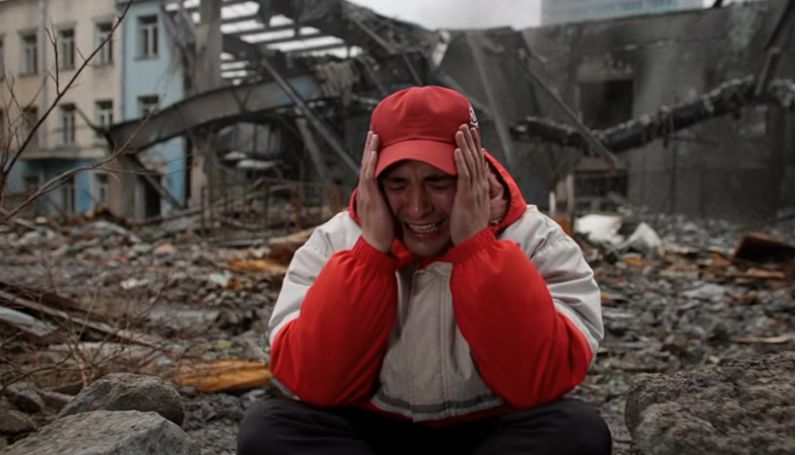
On the ground, the situation remains volatile. In Tehran, Iranian media reported heavy bombardment across multiple areas, including locations tied to military activity such as Parchin. Meanwhile, attacks in southern Lebanon have killed several paramedics, highlighting the growing humanitarian toll of the conflict.
Tensions are also rising across the Gulf. Authorities in Bahrain and Kuwait reported missile and drone threats, with a significant fire breaking out at Kuwait International Airport following a strike. In Israel, missile interceptions have continued, though falling debris has caused injuries and damage in civilian areas.
Diplomatic efforts are ongoing, with regional powers including Egypt, Saudi Arabia, Turkey, and Pakistan seeking ways to de-escalate the crisis. However, with new actors joining the conflict and military activity intensifying across several fronts, the risk of a wider regional war continues to grow.