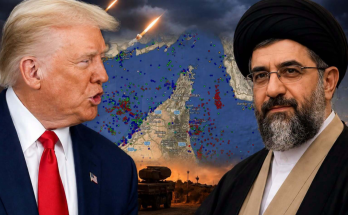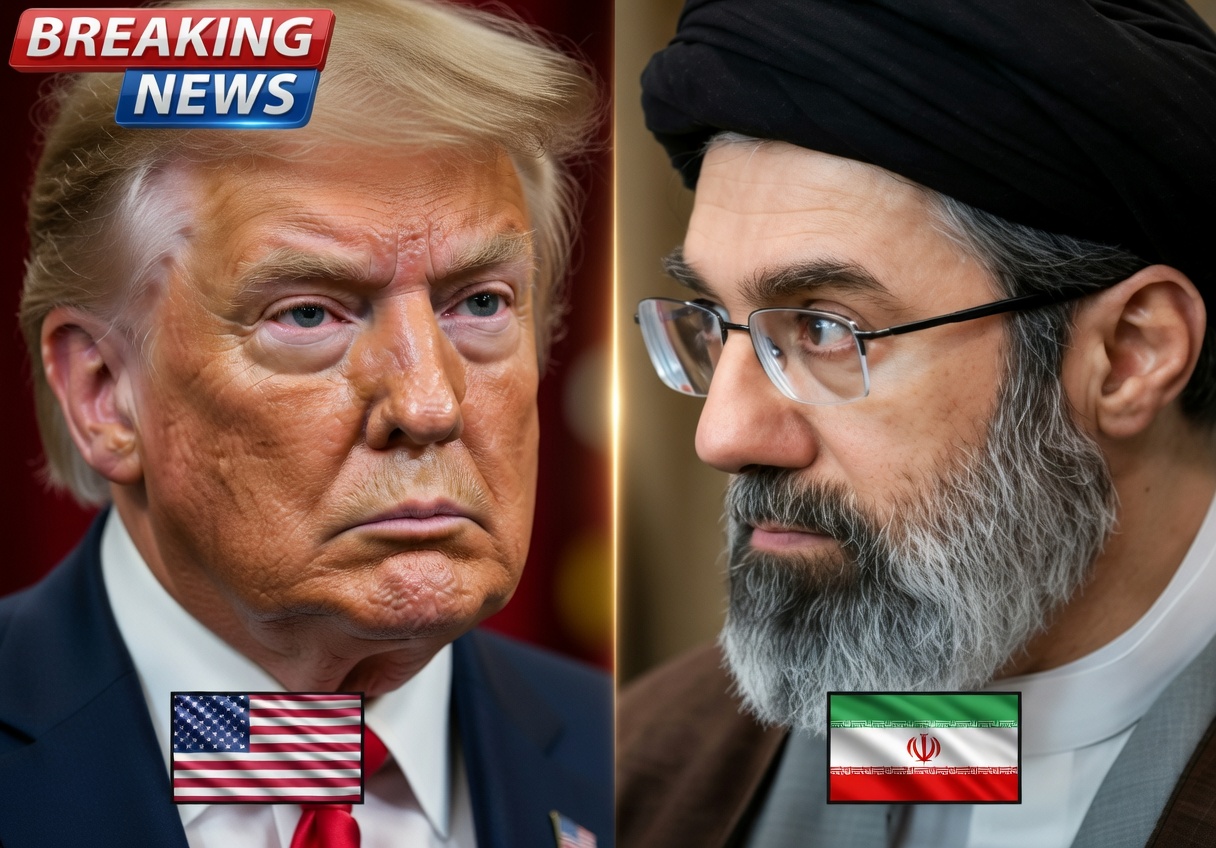
In the wake of recent provocative remarks by Donald Trump, Iran has issued a stern warning that underscores a potentially dramatic shift in regional conflict dynamics. Tehran has drawn a clear and non-negotiable red line around its power plants and energy infrastructure, framing any future attacks as direct triggers for immediate retaliation. This represents a strategic recalibration: previous self-imposed limits on targeting civilian and industrial sites may now be lifted if Iran’s national energy grid is compromised. Such a stance signals a heightened readiness to escalate in a tit-for-tat manner, reflecting both a deterrent posture and a willingness to redefine acceptable boundaries in the region.
The current climate carries a significant risk of dangerous miscalculations. Both sides appear to be probing these newly defined limits, creating a volatile environment in which small incidents could spiral rapidly into broader conflict. Tehran’s warning also emphasizes the humanitarian consequences of striking critical infrastructure. Energy system disruptions would have immediate and devastating impacts on hospitals, water treatment facilities, and emergency response centers, amplifying human suffering and destabilizing communities.
Beyond local effects, the stakes extend globally. The Middle East remains a crucial hub for energy production, and damage to its infrastructure could reverberate through international markets, disrupting supply chains and driving economic uncertainty worldwide. By highlighting both the strategic and humanitarian implications, Iran seeks to convey that attacks on its energy assets would not only provoke military retaliation but also carry profound global consequences.
These evolving narratives are being leveraged to justify potential military actions on both sides, further intensifying regional tensions and complicating diplomatic efforts. As rhetoric escalates, the interplay between deterrence, humanitarian concern, and international economic stability underscores the fragility of the current situation. Observers warn that misjudgments could rapidly magnify into a wider confrontation, demonstrating how carefully calibrated responses—or missteps—will shape both regional security and global perception in the coming weeks.