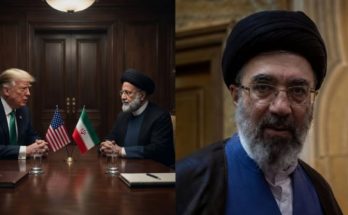
Tensions between the United States and Iran have escalated dramatically after Iran halted all maritime traffic through the Strait of Hormuz, a critical global oil transit route. This narrow waterway is responsible for nearly 20% of the world’s oil shipments, making any disruption a serious threat to global energy markets. The closure immediately triggered a sharp rise in oil prices and heightened fears of economic instability, particularly among nations that rely heavily on imported energy.
The crisis intensified following reports that U.S. and Israeli forces carried out military strikes within Iran. These developments came shortly after the assassination of Iran’s Supreme Leader, Ali Khamenei, an event that significantly inflamed tensions in an already volatile region. Over the past ten days, the conflict has evolved into a series of escalating confrontations, including airstrikes, missile launches, and drone attacks. Observers warn that the situation could expand into a broader regional conflict involving multiple countries and alliances.
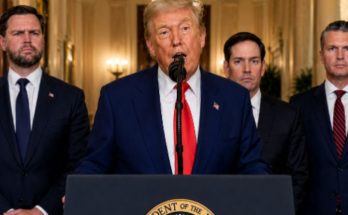
In response, Donald Trump issued a strong and direct warning to Iran. In a post shared on Truth Social on March 10, Trump stated that any attempt to block the flow of oil through the Strait of Hormuz would provoke a response “twenty times harder” than previous U.S. actions. He emphasized that the United States possesses the capability to target key Iranian infrastructure, describing potential targets as “easily destroyable,” a message intended to demonstrate both military readiness and deterrence.
Trump also indicated that such a response would send a clear signal not only to Iran but to other nations, including China, that depend heavily on oil passing through the Strait. While he expressed hope that further escalation could be avoided, his remarks underscored the seriousness of the situation and the willingness of the United States to act decisively if necessary.
Iranian officials responded with defiance. Ali Ardashir Larijani, speaking on behalf of Iran’s Supreme National Security Council, stated that the country would not be intimidated by external threats. He highlighted Iran’s long history of resisting foreign intervention and warned that even powerful nations have failed to undermine its sovereignty.
The rhetoric on both sides has fueled concerns about potential retaliation, including threats directed at high-level figures. Reports have suggested that Iranian-linked operatives previously attempted to plan an assassination targeting Trump, though U.S. intelligence agencies reportedly disrupted the effort before it could be carried out.
Meanwhile, the economic consequences of the Strait’s closure are already being felt worldwide. In addition to rising oil prices, disruptions to shipping lanes have increased uncertainty in global trade. Analysts warn that if the situation persists, it could lead to higher shipping insurance costs, supply chain disruptions, and prolonged pressure on energy markets.
The United States has responded by strengthening its military presence in the Persian Gulf, deploying naval assets to protect shipping routes and deter further Iranian actions. As international leaders urge restraint, the risk of a wider conflict remains high, leaving the global community watching closely as events continue to unfold.