As tensions continue to rise between Donald Trump and Vladimir Putin, Russian media has escalated its criticism of the U.S. president, shifting from policy disagreements to deeply personal attacks. The worsening relationship appears to stem from Trump’s increasingly direct and critical stance toward Moscow, particularly regarding the ongoing war in Ukraine.
Trump recently voiced frustration over stalled peace negotiations between Russia and Ukraine, openly questioning Putin’s sincerity. In a candid remark to reporters, he stated that the Russian leader “says a lot of bulls signaling a notable departure from his earlier, more cautious tone. This blunt criticism has further strained relations, especially as diplomatic efforts remain at a standstill.
At the same time, Trump has taken concrete steps to back up his rhetoric. He approved a new military aid package for Ukraine, supplying much-needed weapons and resources to support Kyiv’s defense against Russian forces. This move is widely seen as an attempt to increase pressure on the Kremlin and reinforce U.S. commitment to Ukraine’s sovereignty. However, it has also triggered a strong backlash from Russia.
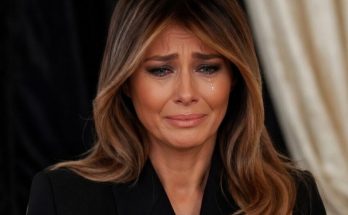
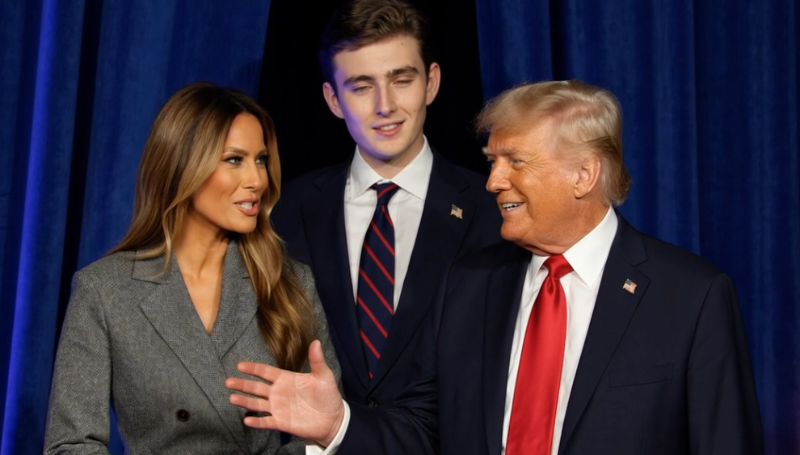
In response, Kremlin-aligned media outlets have launched a coordinated campaign aimed at discrediting Trump. Rather than focusing solely on his political decisions, these attacks have extended into his personal life. Commentators have raised questions about his mental stability and have even targeted his relationship with Melania Trump. Such tactics suggest an effort to weaken his public image and portray him as unfit for leadership.
Part of the backlash appears to be linked to Trump’s recent claim that Melania Trump helped him better understand what he described as Putin’s deceptive behavior. This statement has drawn particular attention, as it introduces a personal dimension into an already tense geopolitical conflict. Pro-Kremlin voices have seized on this narrative, using it as an opportunity to mock and criticize both Trump and his wife.
Meanwhile, some observers in Ukraine have reacted positively to Trump’s remarks about Melania, interpreting them as a sign of support for their country. This contrast highlights the broader information battle surrounding the conflict, where public perception and media narratives play a crucial role alongside military and diplomatic actions.