Amid escalating tensions between Donald Trump and Vladimir Putin, the conflict between Washington and Moscow is increasingly playing out not only through policy decisions but also through sharp media rhetoric and personal attacks. What began as a disagreement over strategy in the ongoing Russia–Ukraine War has evolved into a broader and more combative exchange.
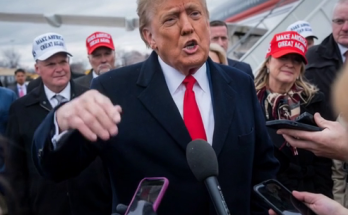
Trump has recently taken a more confrontational stance toward Putin, openly expressing frustration with the lack of progress in peace negotiations involving Ukraine. In candid remarks to reporters, he suggested that the Russian leader’s statements cannot be taken at face value, signaling a clear shift in tone. Reinforcing this position, Trump approved a new package of military assistance to Ukraine, aimed at strengthening Kyiv’s defenses and increasing pressure on Moscow.
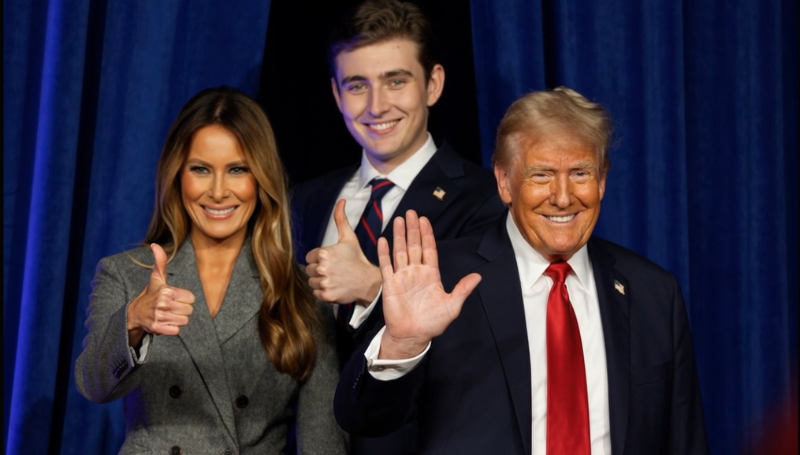
The Kremlin has reacted strongly to these developments. Russian state-aligned media outlets have intensified their criticism of Trump, moving beyond policy disagreements to target his personal life and character. In particular, commentators have questioned his mental stability and focused on his relationship with Melania Trump. These remarks reflect a deliberate effort to undermine Trump’s credibility on a more personal level.
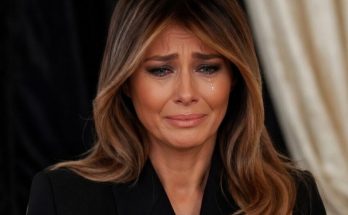
The situation appears to have been further inflamed by Trump’s claim that Melania influenced his perception of Putin. According to Trump, she helped him recognize inconsistencies in the Russian leader’s statements, a comment that drew attention both domestically and internationally. While some in Ukraine praised the former First Lady for her perceived role, Russian media figures reacted with mockery and criticism, using the claim as a new line of attack.
This episode highlights how modern geopolitical conflicts often extend beyond traditional diplomacy and military strategy into the realm of public perception and media influence. Personal narratives, especially those involving prominent political figures, can become powerful tools in shaping opinion and escalating tensions.
Although these verbal clashes may not immediately impact official policy, they contribute to a growing sense of hostility between the two nations. With military support increasing and rhetoric becoming more aggressive, the relationship between the United States and Russia appears to be entering a more volatile phase—one where political disputes and personal attacks are increasingly intertwined.