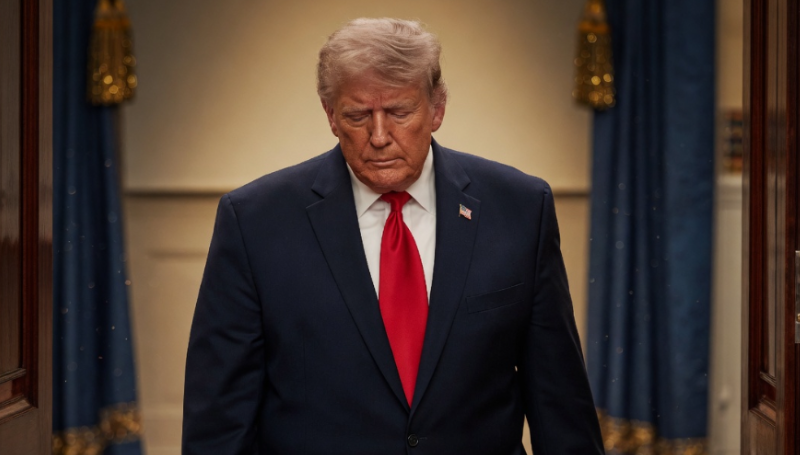
President Donald Trump on Saturday sharply warned Iran that it must reopen the Strait of Hormuz or agree to a ceasefire within 48 hours, or face severe consequences. In a post on Truth Social, Trump emphasized that time was running out and suggested that failure to act could lead to major military retaliation.
The Strait of Hormuz is one of the most important maritime routes in the world, through which a significant portion of global oil shipments pass. Iran’s decision to close the strait—reportedly in response to recent U.S. and Israeli strikes—has caused immediate concern in global energy markets, raising fears of supply disruptions and rising oil prices.
Trump’s latest warning builds on earlier statements he made in recent weeks. On March 26, he had given Iran a 10-day window to reach an agreement, delaying planned attacks on Iranian energy infrastructure in hopes of avoiding further escalation. However, with no apparent breakthrough, the timeline has now been shortened to just 48 hours.
This is not the first time Trump has issued such a deadline. The previous weekend, he also warned Iran that it would face devastating attacks on key infrastructure, including power plants, if the strait remained closed. His recent remarks suggest that those threats are becoming more immediate.
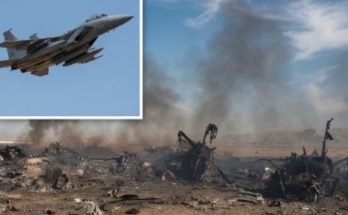
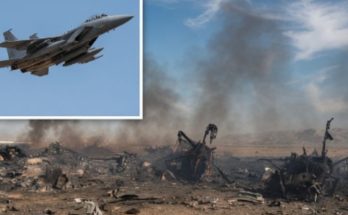
Tensions escalated further after Iran reportedly shot down two U.S. aircraft on Friday. Despite the incident, Trump later confirmed that all American personnel involved were safely recovered. Among those rescued was a weapons systems officer from an F-15E Strike Eagle, highlighting the risks faced during the operation.
Following the successful rescue, Trump issued another strong statement, repeating his demand that Iran reopen the strait and warning of imminent action if it does not comply. His comments indicate a more aggressive stance as the situation develops.
With the 48-hour deadline now in place, the international community is watching closely. Many fear that if the situation continues to escalate, it could lead to a broader conflict in the Middle East and have serious consequences for global stability and energy supplies.