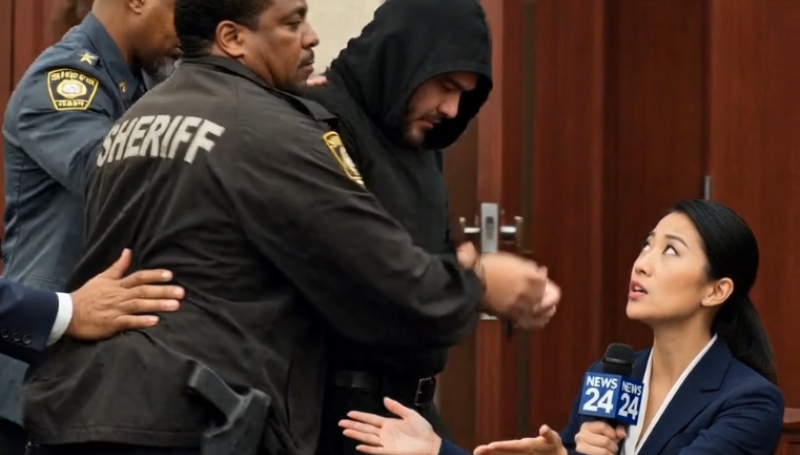
A jury in Fort Bend County, Texas, has convicted County Judge KP George on two counts of money laundering, a decision that could lead to a prison sentence of between two and ten years. Following the verdict, George opted to have the judge determine his punishment rather than the jury.
The sentencing phase is set to begin on June 16, based on an agreement between the defense and prosecutors. After the trial concluded, George was released from custody on a $20,000 bond—$10,000 for each count. As part of his release conditions, he was also required to surrender his U.S. passport.
Although the conviction has significant consequences, George will not be officially removed from his position until after sentencing. Prosecutors noted in court that Texas law requires removal from office upon conviction, but the process is finalized only once the sentence is handed down. In the meantime, the Fort Bend County Commissioners Court may step in to manage county operations, either by dividing George’s responsibilities among its members or appointing an interim replacement.
Precinct 4 Commissioner Dexter McCoy stated that county officials plan to meet to determine the next steps regarding leadership. The goal will be to ensure continuity in governance while the legal process moves forward.
The trial wrapped up after closing arguments on Thursday. George did not testify during the proceedings. Before deliberations, the judge carefully instructed the jury on the legal definition of money laundering and explained that they could consider either the third-degree felony charge or a lesser state jail felony.
During closing arguments, prosecutors argued that George consistently misrepresented his campaign finances and used political donations for personal expenses. Assistant District Attorney Katherine Peterson told jurors that George repeatedly submitted inaccurate financial reports. The state presented evidence suggesting that he transferred campaign funds into personal accounts and used them for expenses such as car payments.
Prosecutors also highlighted financial activity involving accounts and communications linked to other states, including Delaware and Massachusetts. Additionally, they claimed George opened a personal savings account after a 2019 fundraiser in anticipation of receiving campaign funds, which they argued demonstrated intent.
Despite maintaining his innocence and pleading not guilty, George was ultimately found guilty on both counts. The case will now proceed to sentencing, which will determine his punishment and formally conclude his tenure in office.