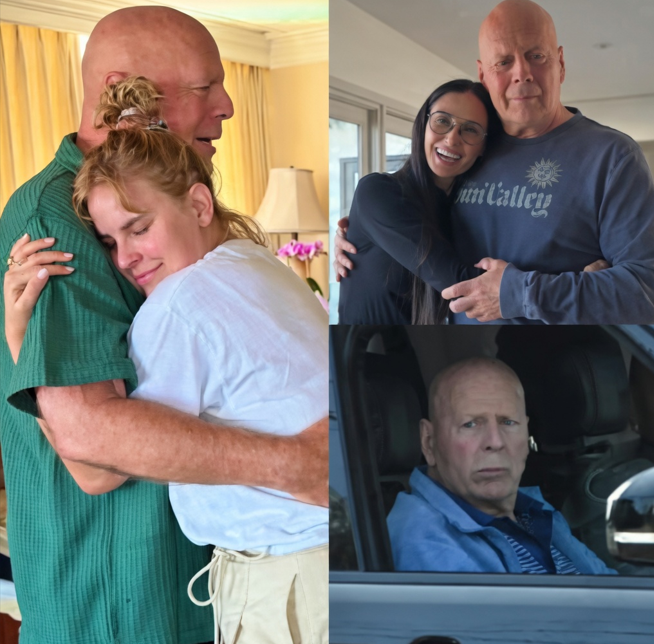
Bruce Willis, one of Hollywood’s most iconic and enduring actors, is currently facing a deeply challenging chapter in his life as he lives with frontotemporal dementia (FTD). This progressive neurological condition affects behavior, communication, and decision-making, marking a significant transition for someone whose career was built on expression, timing, and emotional connection with audiences.
His diagnosis followed an earlier announcement that he had aphasia, a disorder that impacts speech and language abilities. While aphasia often serves as an early indicator of neurological decline, FTD involves broader cognitive and behavioral changes. These may include shifts in personality, reduced emotional awareness, and difficulty handling everyday tasks, making the condition particularly complex for both patients and their families.
Despite these challenges, Willis remains surrounded by strong and compassionate support from his loved ones. His wife, Emma Heming Willis, has shared that he continues to experience moments of joy, connection, and presence, even as the disease progresses and communication becomes more limited. Her perspective emphasizes the importance of focusing on what remains rather than what has been lost.
Frontotemporal dementia is a relatively uncommon form of dementia that primarily affects the frontal and temporal regions of the brain. Unlike Alzheimer’s disease, which usually begins with memory loss, FTD often presents through noticeable changes in behavior, language, and judgment. Individuals may struggle with social awareness, decision-making, and emotional responses, or develop difficulties in speaking and understanding language, a condition known as primary progressive aphasia.
Aphasia plays a particularly meaningful role in Willis’s case. As a performer known for his dialogue-driven roles, the gradual loss of language highlights the personal impact of the disease. Communication challenges may include trouble finding words, forming sentences, or understanding conversations, which can be frustrating both for the individual and those around them.
Another aspect of FTD is a condition called anosognosia, where individuals may not fully recognize or understand their own illness. This lack of awareness can influence how patients experience their condition, often reducing anxiety about their decline but also complicating care. For Willis, this means his family’s approach centers on acceptance, patience, and meeting him where he is in each moment.
Caregiving for someone with FTD requires dedication, adaptability, and emotional resilience. Families often establish structured routines to reduce confusion and create a sense of stability. Communication strategies may involve using simple language, gestures, and visual cues. Emotional support is equally important, focusing on maintaining a sense of comfort, dignity, and connection. Medical care typically involves collaboration with neurologists, speech therapists, and other specialists who can help manage symptoms and improve quality of life.
Public reaction to Willis’s condition has been widespread, reflecting both deep empathy and occasional misinformation. Some false reports about his death circulated online, underscoring the importance of relying on verified information. At the same time, many fans have expressed heartfelt support, and his story has prompted increased interest in understanding FTD and other neurodegenerative conditions.
One significant outcome of this public attention is greater awareness. FTD is less widely known than other forms of dementia, and many people may not recognize its early signs. Increased visibility can encourage earlier diagnosis, better support for caregivers, and greater investment in research aimed at improving treatments and outcomes.
The emotional impact of dementia extends beyond the individual to their entire family. Loved ones often navigate a complex journey of adjustment, grief, and adaptation. In Willis’s case, his family has chosen to emphasize love, presence, and shared experiences. Simple moments—listening to music, spending time together, or enjoying familiar routines—help maintain connection and meaning.
Medical experts stress the importance of a comprehensive approach to care. This includes not only addressing physical and cognitive symptoms but also supporting emotional well-being. Multidisciplinary care teams can provide valuable guidance and resources for families navigating the challenges of FTD.
Although there is currently no cure for frontotemporal dementia, ongoing research continues to explore potential treatments and interventions. Advocacy and public awareness play a crucial role in advancing scientific understanding and supporting those affected by the condition.
Ultimately, Bruce Willis’s journey is a powerful reminder of the human side of neurological illness. His story highlights the importance of compassion, patience, and dignity, showing that even in the face of significant challenges, meaningful connections and moments of joy can endure.