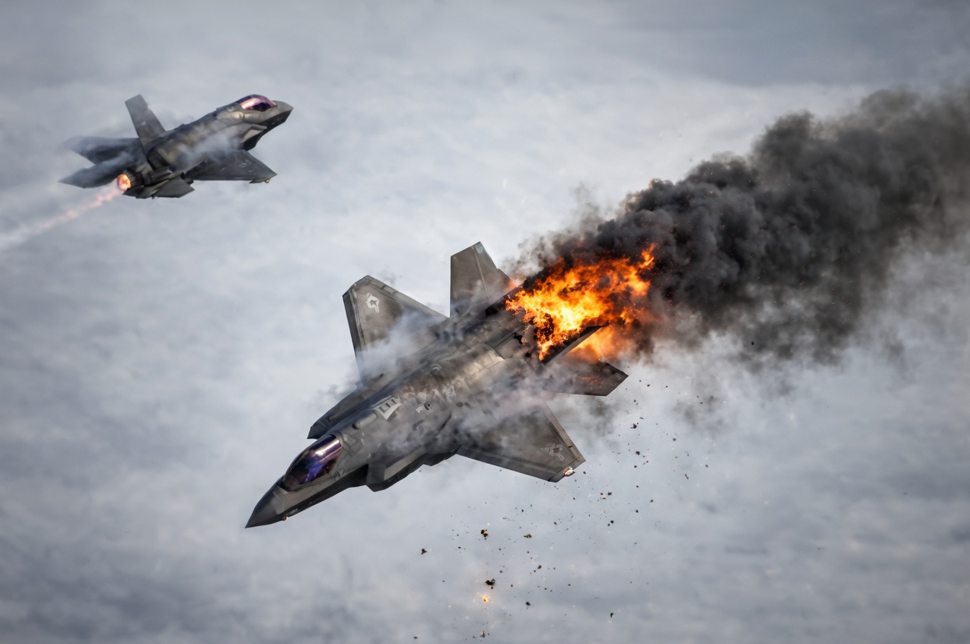
In early 2026, a surge of military activity across the Middle East captured global attention, marking a sharp escalation in long-standing regional tensions. Reports revealed that U.S. military facilities in Kuwait and Bahrain had been struck by missiles and drones, following a major retaliatory operation by Iran. These incidents were not isolated—they were part of a rapidly expanding conflict triggered by earlier coordinated strikes carried out by the United States and Israel.
The crisis began on February 28, 2026, when U.S. and Israeli forces launched air and missile strikes against targets inside Iran. According to official statements, these operations were aimed at weakening Iran’s military capabilities and addressing concerns over its nuclear ambitions and regional activities. Iran, however, viewed the attacks as a direct act of aggression. Within hours, it responded with a wave of missile and drone strikes targeting U.S. bases and allied infrastructure across the Gulf region.
This swift retaliation marked a turning point, transforming a tense geopolitical rivalry into an active and dangerous confrontation. In Kuwait, U.S. aviation and logistics facilities were hit, causing fires and disrupting operations. In Bahrain, missile interceptions still resulted in debris falling into civilian areas, highlighting the risks even when defensive systems succeed. These attacks demonstrated how modern conflicts increasingly focus on critical support infrastructure rather than traditional frontlines.
Iran’s leadership described its response as necessary for self-defense and deterrence. Military officials claimed responsibility for strikes across several countries and indicated that their strategy extended beyond conventional warfare. Reports suggested the use of cyber operations and infrastructure targeting, reflecting a broader, multi-domain approach designed to pressure adversaries on multiple fronts simultaneously.
Across the region, reactions were cautious but firm. Gulf nations, including Saudi Arabia, Qatar, and the United Arab Emirates, condemned the attacks while strengthening their defenses. However, most stopped short of direct military involvement, instead prioritizing stability and diplomatic engagement to avoid further escalation.
The conflict also had immediate global consequences. Disruptions near the Strait of Hormuz—a crucial route for a significant portion of the world’s oil supply—caused energy prices to rise and increased volatility in international markets. Countries dependent on Gulf oil exports grew increasingly concerned, while global institutions called for restraint and renewed dialogue.
Amid these strategic developments, the human impact has been significant. Military personnel have been injured, infrastructure damaged, and civilians placed at risk due to nearby strikes and falling debris. Evacuations and emergency measures across the region underscored how modern warfare often affects civilian populations, even when military targets are the primary focus.
Analysts view this conflict as a clear example of how warfare is evolving. Drones, missiles, cyberattacks, and economic pressure now play central roles, blurring the lines between conventional and asymmetric combat. There are no clearly defined battlefields—only interconnected systems where disruptions can have far-reaching consequences.
As of early April 2026, the situation remains unresolved. While some leaders signal openness to negotiation, others continue to emphasize strength and deterrence. The path forward may include diplomacy, prolonged conflict, or broader regional involvement. What is certain is that resolving such a complex crisis will require more than military action—it will demand sustained international cooperation and a willingness to address the deeper causes of tension in the region.