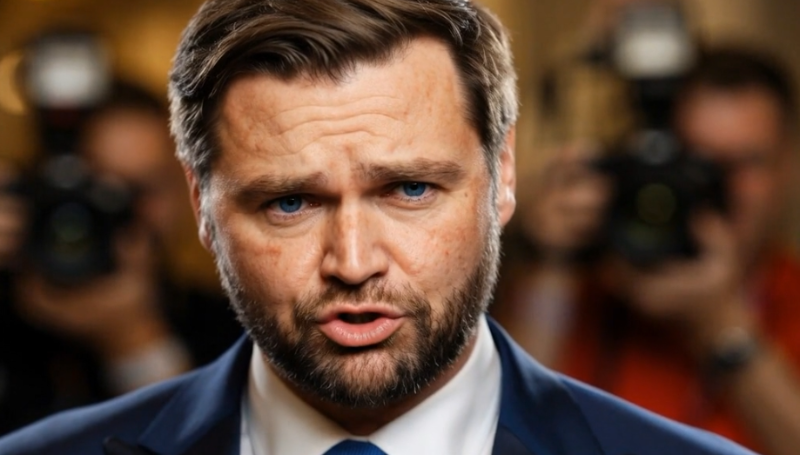
Recent comments by JD Vance have sparked an unusually unified response across the United Kingdom’s political and military circles, drawing attention to the sensitivity of language in international relations. Leaders from different parties have come together to defend the long-standing partnership between the UK and the United States, emphasizing that such alliances depend not only on shared interests but also on mutual respect and historical awareness.
Prime Minister Keir Starmer, along with several prominent political figures, publicly pushed back against remarks perceived as dismissive of the UK’s role and contributions. Their response is notable for crossing typical partisan lines, signaling that the issue is seen as one of national importance rather than political disagreement. By addressing the comments directly, they aim to reaffirm the strength and value of the transatlantic relationship, often referred to as the “special relationship.”
Military leaders have also added their voices, highlighting that the alliance is built on a foundation of shared sacrifice and cooperation. Veterans and senior defense figures point to the legacy of joint efforts during the World Wars and continued collaboration in modern conflicts. For them, the issue extends beyond politics; it touches on respect for those who have served and the trust developed through decades of working together on global security challenges.
This reaction underscores a broader truth about diplomacy: words carry significant weight. Public statements by influential figures can shape perceptions, influence alliances, and even impact cooperation on critical issues such as defense and trade. When rhetoric is seen as undermining a partner, it can prompt swift and unified responses, as seen in this case.
At the same time, the situation serves as a reminder that strong alliances are resilient but not immune to strain. Maintaining them requires ongoing effort, careful communication, and an understanding of shared history. The UK’s response reflects a commitment to preserving the partnership while also setting clear expectations about respect and recognition.
Ultimately, this episode highlights the delicate balance of global leadership. As geopolitical dynamics continue to evolve, the strength of international alliances will depend not only on strategic alignment but also on the ability of leaders to communicate thoughtfully and respectfully.