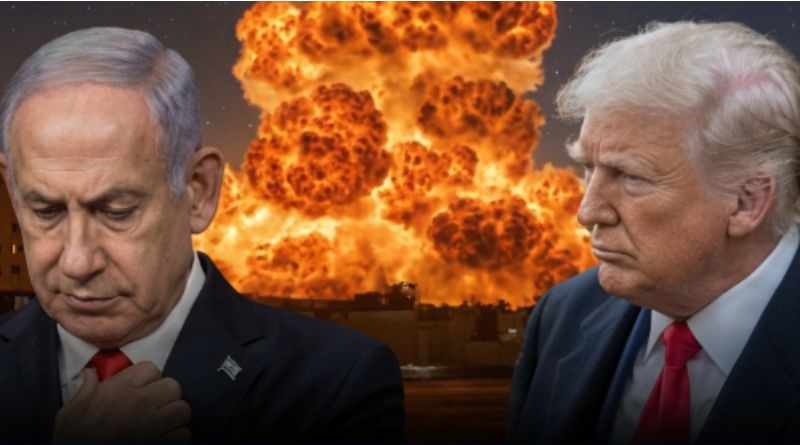
Iran’s missile attacks against Israel have marked another escalation in the broader Middle East conflict, raising concerns about regional stability and the risk of further military confrontation. The exchanges have intensified international calls for restraint as both sides continue to trade strikes.
Reports have alleged that some of Iran’s attacks involved cluster munition warheads aimed at areas including Tel Aviv. If confirmed, the use of such weapons would likely draw additional international scrutiny because cluster munitions disperse multiple smaller explosives over a wide area and can leave unexploded ordnance that poses long-term dangers to civilians. Iran has maintained that its actions are a response to what it describes as Israeli military operations, including the killing of senior Iranian figures.
Israel has relied on its multilayered air defense network, including the Iron Dome and Arrow systems, to intercept incoming missiles. While officials have reported that many projectiles have been successfully intercepted, defense analysts note that repeated large-scale attacks can place significant demands on missile defense resources.
The conflict has also affected the wider region. According to various reports, Iranian forces and allied groups have carried out attacks targeting U.S. military facilities and partner installations in several Gulf countries, contributing to increased U.S. involvement and additional military operations against Iranian-linked targets.
Beyond the battlefield, the conflict has heightened humanitarian and economic concerns. Civilian casualties, damage to infrastructure, and population displacement have been reported in affected areas. At the same time, global energy markets have experienced volatility amid concerns that continued fighting could threaten shipping routes and energy supplies, particularly through the strategically important Strait of Hormuz.
Diplomatic efforts to reduce tensions have so far produced limited progress, with both sides signaling their readiness to continue military operations. Analysts warn that without meaningful de-escalation, the conflict could expand further, carrying significant humanitarian, economic, and geopolitical consequences for the broader Middle East and the international community.