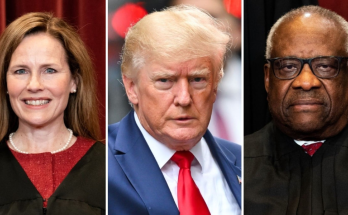
President Donald Trump has reportedly selected former Secret Service agent and conservative commentator Dan Bongino to serve as Deputy Director of the FBI, a decision that has sparked widespread political debate and renewed attention on the future direction of the nation’s premier law enforcement agency.
Bongino served in the U.S. Secret Service before launching a career in media, where he became well known for his criticism of the FBI and other federal intelligence agencies. Supporters argue that his experience in federal law enforcement and his calls for institutional reform make him well suited to help improve transparency and accountability. Critics, however, question whether his outspoken political views could affect perceptions of the FBI’s independence.
The reported appointment has emerged alongside broader political controversy, including online claims that former President Joe Biden issued a preemptive pardon to Senator Adam Schiff over his work on the House January 6 Committee. Those claims have not been substantiated by official federal records or independently verified, though they have circulated widely in political commentary.
According to multiple reports, Bongino is expected to support an internal review of FBI operations, particularly involving high-profile investigations and internal procedures that have drawn political criticism in recent years. Advocates believe such a review could strengthen public confidence by increasing oversight and transparency. Opponents argue that reviews led by politically aligned officials could raise concerns about preserving the Bureau’s traditional independence.
Political reactions have been sharply divided. Some lawmakers and analysts warn that leadership changes at the FBI could intensify partisan disagreements over the agency’s role in enforcing federal law. Others contend that the debate reflects broader questions about how major government institutions should balance accountability, oversight, and operational independence.
Legal experts note that significant leadership and organizational changes within the FBI must follow established Department of Justice procedures. Depending on the position involved, appointments may require formal review or other administrative processes before taking effect, ensuring that institutional requirements are met.
As discussion surrounding the reported appointment continues, it has become part of a larger national conversation about reforming federal law enforcement while maintaining public confidence in the Bureau’s impartiality. The coming months are likely to bring continued scrutiny from government officials, legal experts, and the public as developments unfold.