The Democratic Party often campaigns on the idea of increasing taxes on the wealthy to fund expansive public programs. However, critics argue that in practice, this approach faces significant limitations. There are relatively few high-income individuals compared to the broader population, which can make it difficult to generate enough revenue solely from taxing the rich. Additionally, affluent individuals often have greater financial flexibility and may relocate to lower-tax states or use legal strategies to reduce their tax burden. As a result, opponents claim that the tax burden can gradually shift toward the middle and working classes, who typically have fewer options to avoid higher taxes.
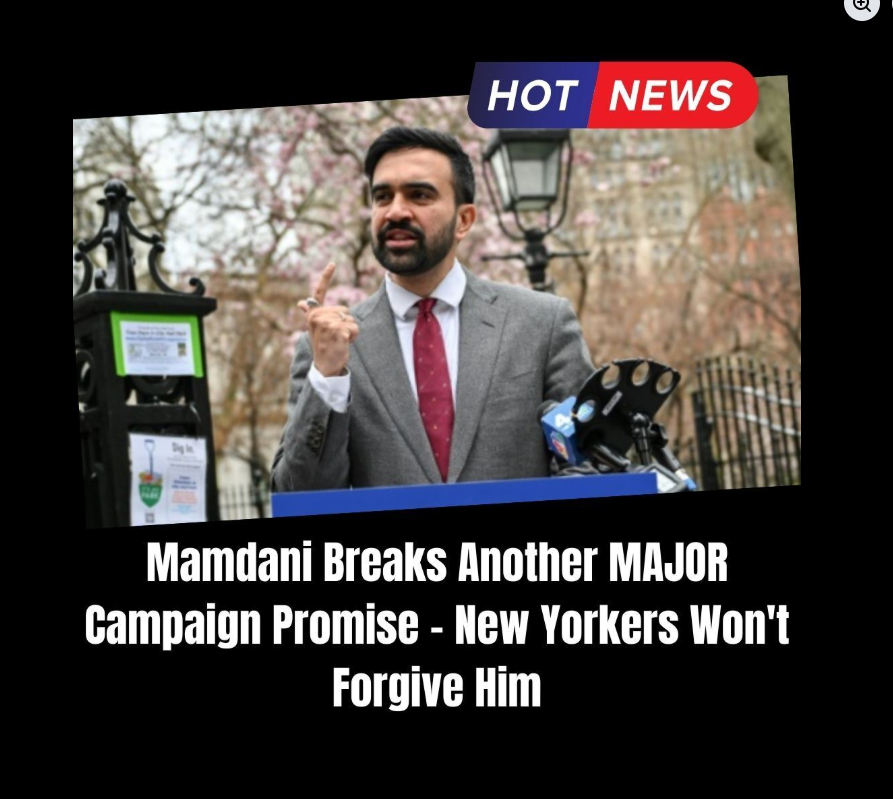
This debate is particularly visible in high-tax states like New York. Some policymakers have built their platforms around targeting wealthy residents, but critics worry about the potential unintended consequences. Concerns include the possibility of capital flight, reduced investment, and a shrinking tax base if high earners leave the state. These dynamics could ultimately place more pressure on remaining taxpayers.
Recent discussions around estate taxes have further fueled these concerns. Some proposals have suggested increasing estate tax rates or lowering exemption thresholds, which critics argue could affect not only the ultra-wealthy but also upper-middle-class families. Opponents warn that such changes could impact generational wealth, especially for families who own businesses or property that has appreciated over time.
Supporters of higher taxes, on the other hand, argue that progressive taxation is necessary to address inequality and fund essential services such as education, healthcare, and infrastructure. They contend that well-designed tax policies can minimize avoidance and ensure that those with the greatest ability to pay contribute a fair share.
Ultimately, the debate reflects broader disagreements over taxation, economic mobility, and the role of government in redistributing wealth.