Concern spread quickly across social media after dramatic posts claimed that former U.S. President Donald Trump had been “shot again” in Washington, D.C. The alarming language fueled panic and intense online discussion, with many users reacting before the information could be verified. However, as more details emerged, it became clear that the situation was far less serious than initially suggested.
No credible news organizations, law enforcement agencies, or officials—including the United States Secret Service—have confirmed any such incident. In cases involving a high-profile figure like Trump, verified reports would typically appear quickly across major media outlets. The complete lack of confirmation strongly indicates that the claim is false.
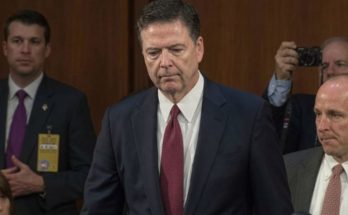
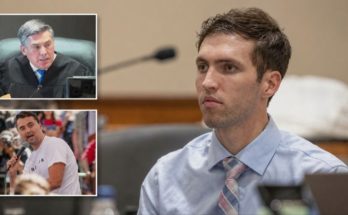
The rumor appears to have originated from misleading social media posts, recycled footage, and exaggerated captions designed to attract attention. Unverified accounts often spread sensational content to generate clicks and reactions, especially during politically sensitive times. As a result, misinformation can travel rapidly, reaching large audiences before fact-checkers or reliable sources can respond.
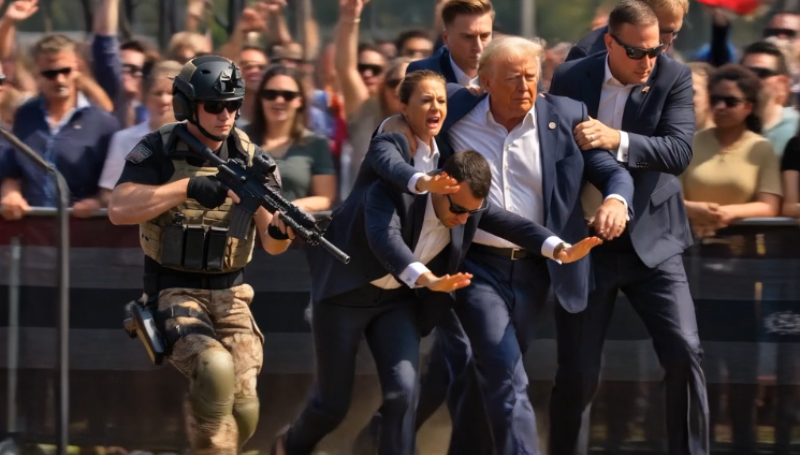
It is important to distinguish this rumor from the real assassination attempt that took place in 2024 during a rally in Butler, Pennsylvania, where Trump was injured but survived. That incident was widely reported and led to increased security measures. Since then, authorities have remained vigilant, but no similar event has been confirmed recently.
This situation highlights the risks of spreading unverified information. False reports can create unnecessary fear, overwhelm emergency services, and damage public trust in reliable journalism. It serves as a reminder that not all “breaking news” online is accurate, and careful verification is essential before believing or sharing such claims.