The response from Tehran was measured, legalistic, and unmistakably stern.
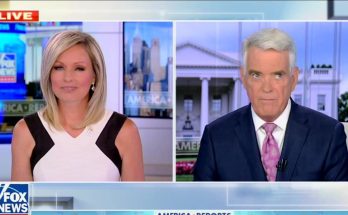
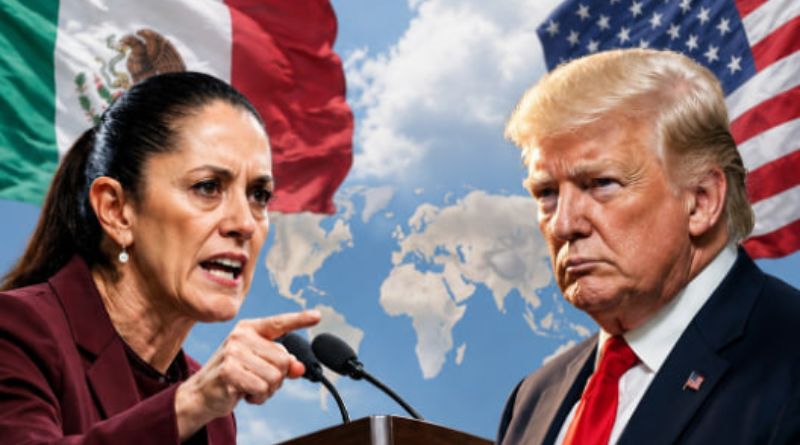
President Donald Trump’s announcement of a “very successful attack” on Iranian nuclear facilities immediately shattered any remaining sense of stability in the region. Iranian Foreign Minister Abbas Araghchi swiftly condemned the strikes as “outrageous” and “criminal,” asserting that Iran maintained the right to defend itself under international law. Although delivered in diplomatic language, his remarks carried a clear warning. By declaring that Iran “reserves all options,” Araghchi signaled that retaliation remained a possibility, intensifying fears of a broader and potentially dangerous escalation.
Across Europe, the reaction was notably more cautious.
While officials in Washington and Jerusalem hailed the operation as a major achievement and a significant blow to Iran’s nuclear program, many European leaders expressed deep concern over the potential consequences. Diplomats warned that the strikes could push the Middle East closer to a wider conflict, jeopardizing years of diplomatic efforts aimed at preventing direct confrontation. Discussions in key European capitals centered on the risks of miscalculation and the possibility that rising tensions could quickly spiral beyond anyone’s control.
At the United Nations, diplomats carefully scrutinized every statement, recognizing that even a single poorly chosen phrase could further inflame an already volatile situation. As governments weighed their next moves, uncertainty spread throughout the international community. Once again, the world found itself watching anxiously, waiting to see whether the days ahead would bring restraint, retaliation, or a dangerous new phase in the crisis.