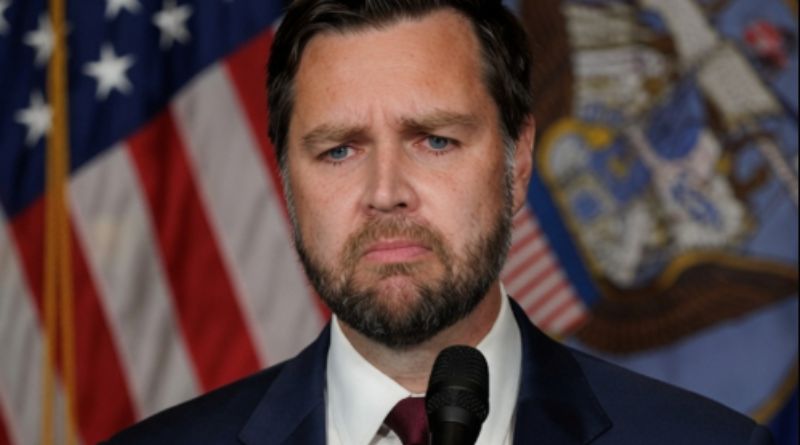
The United States and Iran have reached a tense diplomatic breakthrough, with both sides agreeing to a fragile truce just as a key deadline expired Tuesday evening. Vice President JD Vance maintained a firm tone throughout negotiations, expressing confidence that Tehran would eventually respond to U.S. demands regarding the ongoing maritime blockade. Stressing the importance of global energy stability, Vance described Iranian actions in the Strait of Hormuz as “economic terrorism” and warned that President Donald Trump remained prepared to deploy a wide range of military and economic measures if Iran failed to change its behavior permanently.
The crisis emerged after U.S.-Israeli strikes in February 2026 triggered a sharp escalation, leading Iran to restrict access to the Strait of Hormuz. As one of the world’s most critical energy chokepoints—historically carrying roughly one-third of global oil exports—the disruption caused shipping traffic to plunge by an estimated 90 percent, sending shockwaves through international energy markets.
In the days leading up to the ceasefire, President Trump intensified pressure through a series of public statements and social media posts. On Truth Social, he issued a 48-hour ultimatum, warning that Iranian power plants and infrastructure could face “obliteration” if Tehran refused to comply. Tensions escalated further on Friday when Iran shot down two U.S. aircraft, although all American crew members were successfully rescued.
The agreement establishes a two-week ceasefire and provides for a limited reopening of the Strait of Hormuz. A controversial provision reportedly allows Iran and Oman to collect fees from ships passing through the waterway, marking a significant shift from its long-standing status as an international transit route.
Despite that concession, Vance said the United States had achieved many of its immediate military objectives while preserving substantial leverage for future negotiations through diplomatic and economic means.
Global markets have responded with cautious optimism, but questions remain about the truce’s durability. Vance emphasized that the agreement is narrowly focused and does not extend to broader conflicts involving Lebanon or Hezbollah, calling expectations of a wider ceasefire a “misunderstanding” on Tehran’s part. He also accused some Iranian officials of misrepresenting the terms of the deal.
With a U.S. delegation reportedly preparing for additional talks in Islamabad, the international community is closely watching to see whether this temporary pause can evolve into a broader regional de-escalation—or whether internal divisions within Iran could once again unravel the fragile peace.