Rising geopolitical tensions across Europe, the Middle East, and the Indo-Pacific have intensified debate over whether the international community is moving toward a broader conflict. While military capabilities continue to expand in several regions, many experts argue that political miscalculations, strained alliances, and strategic uncertainty may pose just as much risk as military strength itself.
Russia and Europe: Ongoing Tensions Along NATO’s Eastern Flank
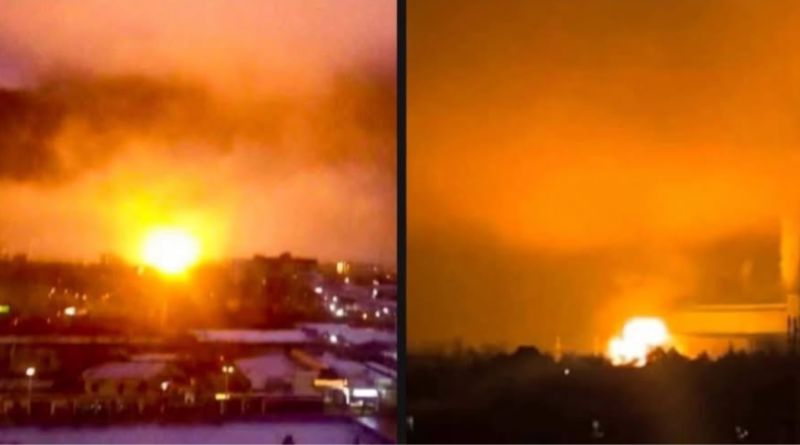
The war between Russia and Ukraine remains one of the defining security challenges in Europe. Despite periodic signals that negotiations could resume, meaningful progress toward a lasting peace has remained limited. Russian forces continue operations in Ukraine, while drone attacks and long-range strikes have become a regular feature of the conflict.
European governments have grown increasingly concerned about military activity near NATO territory. Incidents involving Russian aircraft approaching or briefly entering the airspace of countries such as Estonia, Poland, and Romania have prompted firm responses from alliance officials, who describe them as part of a broader pattern of heightened military activity.
Although these encounters have not led to direct confrontation, they highlight the possibility that misunderstandings or miscalculations could escalate tensions during already sensitive periods.
Several nations along NATO’s eastern frontier—including Estonia, Latvia, Lithuania, Poland, and Finland—have reassessed their defense strategies. Some have reconsidered older security agreements and expanded military preparedness while investing in stronger defensive infrastructure and regional security initiatives.
Russia’s continued development of advanced missile systems also remains under close observation. While many details about these capabilities remain classified or uncertain, Western governments continue to monitor technological developments while emphasizing the importance of avoiding unnecessary escalation.
Despite the heightened tensions, many European policymakers and security analysts continue to argue that a deliberate large-scale invasion of NATO territory remains unlikely. Instead, they warn that limited provocations, hybrid operations, or isolated incidents could test alliance cohesion and increase the risk of unintended escalation.
Maintaining open communication channels and strengthening diplomatic coordination remain central priorities for NATO members.
The Middle East: Fragile Stability Amid Continuing Challenges
Efforts to stabilize the Middle East continue to face significant obstacles. Although ceasefires and diplomatic negotiations have periodically reduced violence, longstanding tensions involving Israel, Palestinian factions, and regional powers remain unresolved.
International mediation efforts led by the United States and other partners continue, but progress has often been slow and fragile.
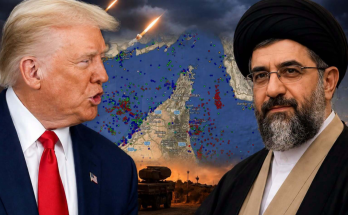
The relationship between Israel and Iran remains one of the most closely watched security issues in the region. Military exchanges in recent years have periodically raised concerns about a broader confrontation, while Iran’s nuclear program continues to draw international attention and monitoring.
Regional dynamics are also evolving as various non-state groups experience changing political and military circumstances. These developments have prompted ongoing strategic discussions throughout the region regarding deterrence, security, and future policy choices.
For the United States and many international partners, the primary objective remains preventing a wider regional conflict while promoting long-term stability through diplomacy and cooperation.
Although tensions periodically rise, many regional specialists note that the broader interests of governments throughout the Middle East continue to favor stability over large-scale escalation.
China and the Indo-Pacific: Taiwan and Strategic Competition
The Indo-Pacific has become another major focus of global security concerns, with Taiwan remaining one of the region’s most significant flashpoints.
China continues to assert its claims over Taiwan while increasing military activities in nearby waters and airspace. Taiwan has strengthened its own defense capabilities and expanded cooperation with international partners, while the United States and several allies continue to emphasize the importance of maintaining peace and stability across the Taiwan Strait.
Growing military modernization, frequent exercises, and strategic competition have increased tensions, even as diplomatic engagement continues.
Many analysts believe that all major parties have strong incentives to avoid direct conflict, given the potentially severe economic and global security consequences. Nevertheless, the possibility of miscalculation or unintended escalation remains an important concern.
A World Under Pressure
The international environment today is characterized by multiple overlapping security challenges rather than a single defining crisis. Ongoing conflicts in Europe, instability in the Middle East, and strategic competition in the Indo-Pacific have collectively heightened global uncertainty.
While many experts do not believe that a worldwide conflict is inevitable, they agree that sustained diplomacy, clear communication, and responsible crisis management will play a critical role in reducing the risk of escalation in the years ahead.