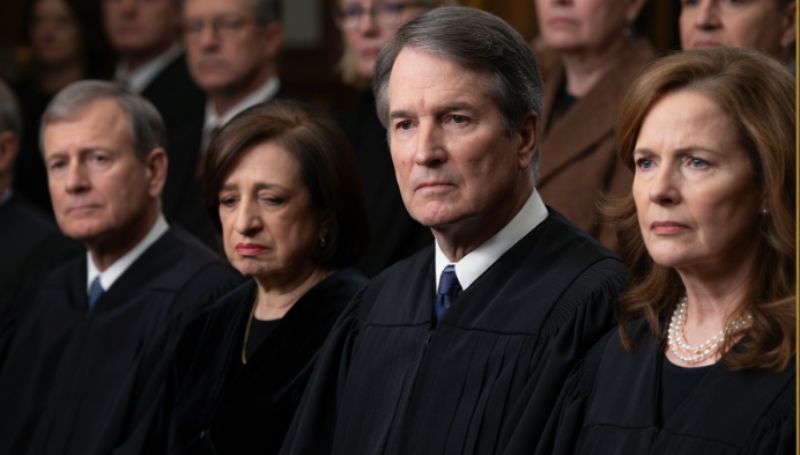
The U.S. Supreme Court on Wednesday declined to revive a Florida immigration law that would have allowed state authorities to prosecute migrants who entered the state after crossing into the United States illegally. The justices issued the decision without explanation and noted that there were no recorded dissents. The order came in response to an emergency request from Florida officials seeking to enforce the law while legal challenges continue.
The measure, known as SB 4-C, makes it a state offense for individuals to enter Florida after unlawfully entering the country and avoiding federal immigration enforcement. Supporters of the law argued that it was designed to reinforce federal immigration policy, while critics maintained that immigration enforcement falls primarily under federal jurisdiction and cannot be duplicated at the state level.
The law was blocked earlier by U.S. District Judge Kathleen Williams, who issued an indefinite injunction preventing its enforcement. She determined that the statute was likely preempted by federal law and could violate constitutional principles. Florida appealed the decision, but a three-judge panel of the 11th U.S. Circuit Court of Appeals upheld the injunction, leaving the state unable to implement the policy.
Florida Attorney General James Uthmeier then turned to the Supreme Court, arguing that the law had been carefully crafted to align with federal immigration statutes. He contended that it did not conflict with federal authority and was necessary for protecting residents from the effects of illegal immigration. Despite those arguments, the Supreme Court declined to intervene, allowing the lower court’s ruling to remain in place.
The outcome differs from a recent decision involving a similar law in Texas, which the court allowed to take effect, though it did not explain why the two cases were treated differently.
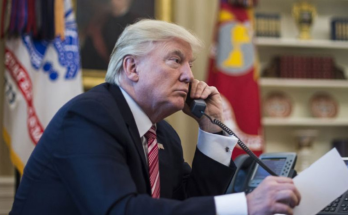
In a separate development, President Donald Trump attended Supreme Court oral arguments this week as his administration seeks to defend an executive order aimed at limiting birthright citizenship. He is the first sitting president to attend such proceedings in person. Representing the federal government is Solicitor General D. John Sauer, who oversees appellate litigation and argues cases before the nation’s highest court.
The case focuses on whether children born in the United States to parents without legal status are automatically granted citizenship under the Constitution, a question tied to longstanding interpretations of the Fourteenth Amendment.