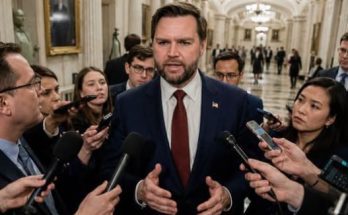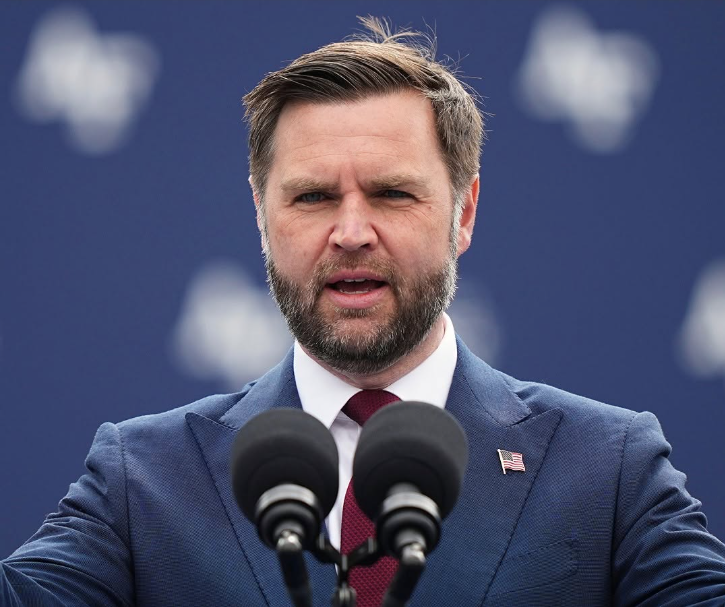
A neutral assessment is that the information you shared points to meaningful early strength for JD Vance within Republican circles, but it is also very early in the 2028 cycle.
A few factors support the idea that Vance has momentum:
- Vice presidents often begin with advantages such as national name recognition, donor networks, and relationships within the party.
- Early polling leads matter, especially when the margin over potential rivals is large.
- Grassroots enthusiasm at events such as AmericaFest suggests he has strong support among an important segment of the Republican base.
- Positive commentary from analysts across the political spectrum can increase attention to a candidate’s prospects.
At the same time, there are reasons to be cautious about reading too much into 2028 polls today:
- The election is still years away, and many potential candidates have not formally entered the race.
- Early polling often reflects name recognition as much as firm voter preferences.
- The political environment can change significantly after the 2026 midterms, economic developments, major national events, or shifts within either party.
- Former President Trump’s future role in Republican politics could influence the field, whether through endorsements or broader political activity.
The historical point cited by Harry Enten—that early frontrunners often go on to win nominations—is relevant, but it is not determinative. History shows both examples of early leaders who prevailed and others whose support faded as campaigns developed.
Based on the information presented, the strongest conclusion is that Vance appears to be one of the leading early contenders for the 2028 Republican nomination, but it is too early to know whether that advantage will hold through the next several years of political developments.