Is Europe Ready for War? Brussels Races to Strengthen Its Defences
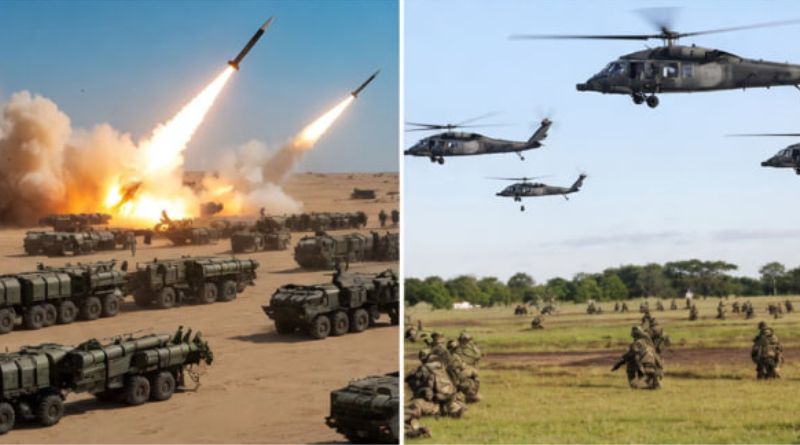
After Russia’s full-scale invasion of Ukraine, mounting pressure from the United States, and increasingly urgent warnings from military leaders, the European Union is confronting a reality long considered unthinkable: whether it is truly prepared for war.
For decades, Europe relied on diplomacy, economic interdependence, and U.S.-backed security guarantees to preserve stability. That confidence is now weakening. As the war in Ukraine drags on with no clear resolution, and geopolitical tensions continue to rise, EU leaders are accelerating efforts to strengthen Europe’s military and strategic readiness.
A Continent Under Pressure
In Brussels, the atmosphere reflects a sense of urgency rarely seen in recent years. The shock of Russia’s invasion fundamentally altered Europe’s security assumptions, while signals from Washington have reinforced expectations that Europe must take greater responsibility for its own defence.
EU leaders agreed last December on a €90 billion loan package to support Ukraine, alongside new initiatives from European Commission President Ursula von der Leyen aimed at boosting Europe’s deterrence capabilities by 2030.
These developments are unfolding against increasingly stark warnings from global and European security figures. Russian President Vladimir Putin has stated that Russia is prepared to fight if necessary, warning there would be “no one left to negotiate with.”
NATO Secretary General Mark Rutte recently cautioned that “we are Russia’s next target,” suggesting that a direct confrontation could be possible within the next five years. German Defence Minister Boris Pistorius has gone further, warning that Europe may have already experienced its “last summer of peace.”
While interpretations of these warnings differ across capitals, the overall message from Europe’s security establishment is becoming harder to ignore: the risk of large-scale conflict is no longer viewed as purely theoretical.