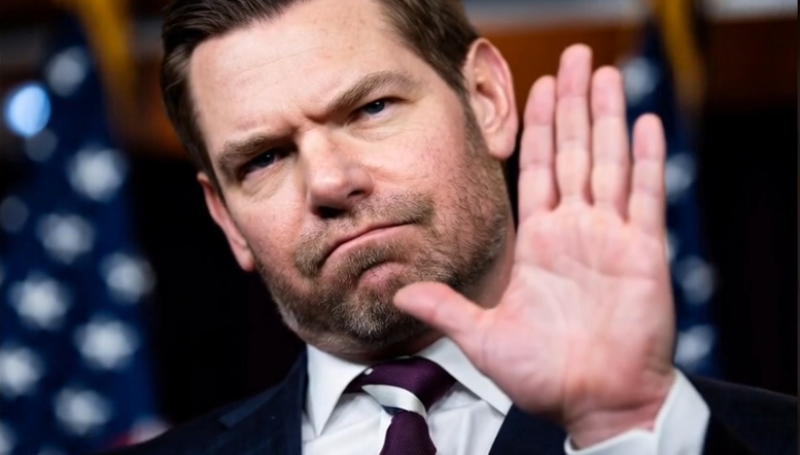
A report has raised questions about whether Representative Eric Swalwell and a former senior aide may have blurred ethical lines by promoting a private artificial intelligence fundraising startup to political colleagues. According to multiple sources, the outreach effort took place over the past year and targeted fellow House Democrats as well as political operatives.
Swalwell and his former chief of staff, Yardena Wolf—who now manages his campaign for California governor—reportedly encouraged others to consider using a company called Findraiser. Sources say they promoted the startup through text messages, emails, and in-person conversations, often محاولة scheduling demonstrations of the product. The company was described as a new tool designed to simplify and improve political fundraising.
However, some Democratic insiders reacted negatively to the outreach. Several strategists said the repeated pitches were unwelcome and questioned the value of the product itself. One source claimed the effort was widespread, suggesting that nearly every Democratic member from California may have been contacted. Others said they declined to engage, expressing little interest in the platform.
More serious concerns stem from whether the outreach may have crossed ethical boundaries. House rules prohibit lawmakers from using their official positions for personal financial benefit or creating even the appearance of such behavior. Promoting a private company—especially one with possible personal or political connections—can raise conflict-of-interest concerns. One strategist even alleged that participation in legislative matters might have been informally tied to taking meetings about the company, though this claim remains unverified.
Despite the criticism, Swalwell’s team has strongly pushed back against the allegations. A spokesperson stated that the congressman’s actions were focused on supporting fellow Democrats and improving fundraising capabilities through modern tools. They emphasized that exploring new technology is part of staying competitive in today’s political environment.
At this stage, there has been no formal finding of wrongdoing, and no official ruling from the House Ethics Committee has been reported. Much of the criticism comes from anonymous sources, and key details—such as any direct financial ties—remain unclear.
Overall, the situation highlights the fine line public officials must walk when engaging with private ventures, particularly in areas like political fundraising where influence and access can carry significant weight.