Reports circulating online about a coalition of thirteen countries forming in response to rising global tensions should be approached with caution, as many such claims lack clear verification. While the narrative describes a rapidly developing alliance reacting to geopolitical instability, it does not provide concrete details such as the names of participating nations, official statements, or confirmation from widely recognized institutions. In today’s information environment, major international developments of this scale are typically reported with specificity and supported by multiple credible sources.
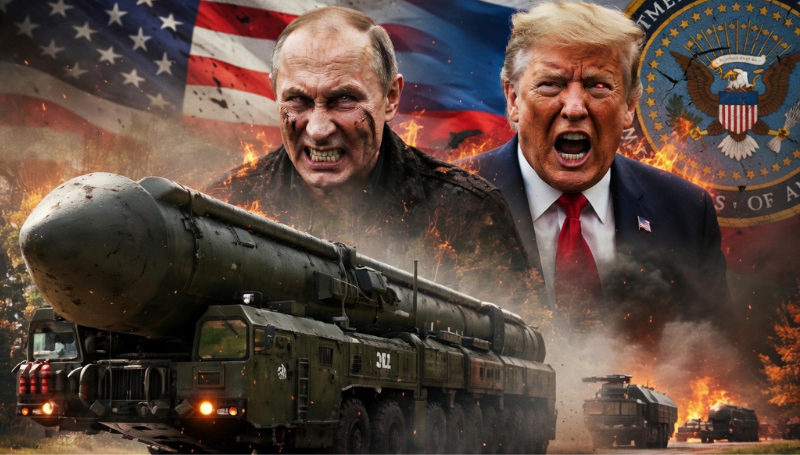
The description suggests that the coalition is a defensive effort aimed at countering perceived military threats. It also highlights imagery of advanced missile systems and high-level political figures, framing these visuals as signals of strength and deterrence. While such displays can indeed play a role in international messaging, the absence of verifiable context makes it difficult to assess the authenticity or significance of these claims. Without confirmation, these elements may be exaggerated or taken out of context to create a sense of urgency.
Additionally, the language used in the report relies heavily on generalizations and cautious phrasing, such as references to unnamed analysts and unspecified emergency meetings. This style often appears in content designed to attract attention rather than provide reliable information. In contrast, legitimate reporting on international security developments typically includes direct quotes, named officials, and references to established organizations.
It is true that global tensions have been elevated in recent years, with ongoing conflicts, military exercises, and strategic rivalries shaping the international landscape. However, large-scale coordinated actions involving multiple countries are rarely conducted without public acknowledgment or diplomatic signaling through formal channels. Organizations like NATO or the United Nations usually play a visible role in such situations, offering statements or facilitating dialogue.
Given these factors, readers are encouraged to verify such claims through trusted news outlets and official sources before drawing conclusions. Misinformation can spread quickly, especially when it taps into existing concerns about global security. Taking a moment to confirm the accuracy of dramatic reports helps prevent unnecessary alarm and ensures a clearer understanding of real-world events.