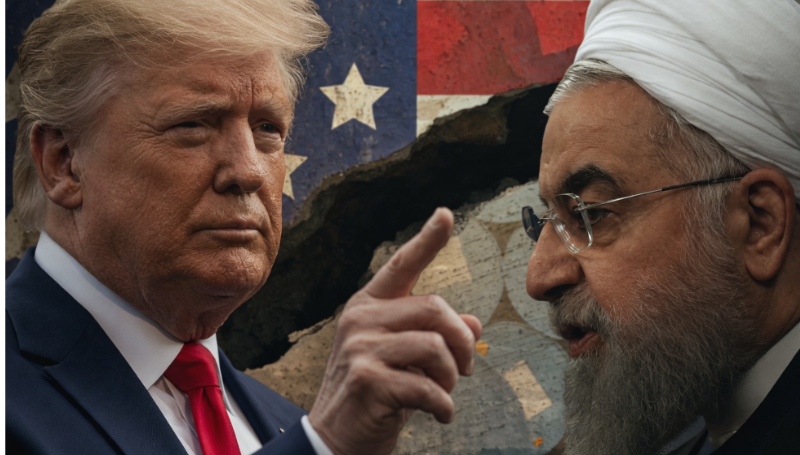
Reports circulating on Sunday described a dramatic escalation in tensions between the United States, Israel, and Iran, including claims of large-scale airstrikes and major political developments inside Iran. However, many of these details remain unverified or are based on limited sourcing, making it important to approach them with caution.
According to some accounts, U.S. and Israeli forces carried out coordinated strikes targeting Iranian military infrastructure, including ballistic missile sites. These reports also alleged significant damage to naval assets and widespread explosions in and around Tehran. Iranian officials were said to have reported casualties, though independent confirmation of specific figures has been limited.
One of the most striking claims involves the reported death of Iran’s Supreme Leader, Ali Khamenei. As of now, there is no widely confirmed, credible reporting from multiple authoritative international sources verifying such an of this magnitude. Claims of leadership changes in Iran, including references to “new potential leadership,” should therefore be treated as speculative unless substantiated.
A senior U.S. official, speaking anonymously in some reports, suggested that individuals described as emerging leaders in Iran may be open to negotiations with the United States. At the same time, the official indicated that military operations were ongoing. Donald Trump was quoted in one interview as saying he would be willing to talk, though no timeline or details were provided.
Meanwhile, Tom Cotton commented on the broader role of intelligence in monitoring adversarial governments but declined to discuss specifics. His remarks emphasized the strategic importance of intelligence-sharing between the U.S. and Israel.
Other parts of the narrative describe a widening regional conflict, with Iran-aligned groups in Iraq and Lebanon allegedly launching attacks, and Gulf states expressing concern about potential retaliation. There were also mentions of a reported drone strike targeting a British base in Cyprus after the U.K. signaled support for U.S. operations.
Despite these claims, the overall situation remains highly unclear. Conflicting reports, limited verification, and the scale of the alleged make it essential to rely on confirmed updates from multiple reputable international news organizations before drawing conclusions.
In fast-moving and high-stakes geopolitical situations like this, misinformation can spread quickly. Verifying facts and distinguishing between confirmed developments and unverified claims is critical for understanding what is happening.