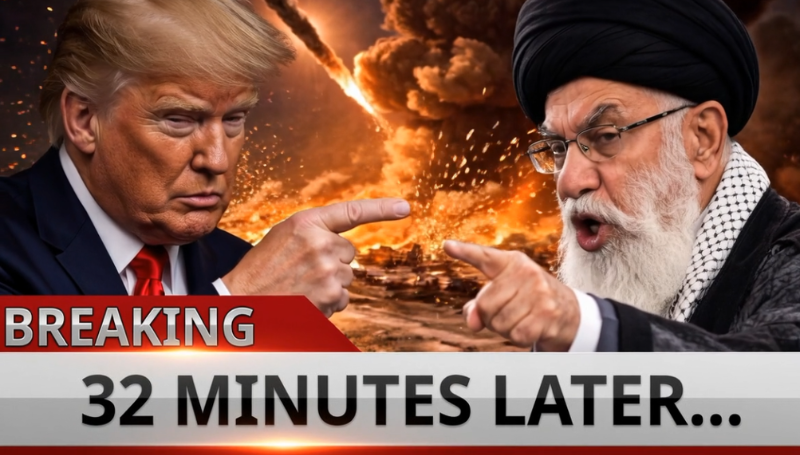
A series of escalating encounters between U.S. and Iranian naval forces in the Arabian Sea has raised new concerns, with the latest incident reportedly involving direct military engagement near a major American aircraft carrier.
According to U.S. officials speaking anonymously to CBS News, an Iranian vessel approached the USS Abraham Lincoln at a dangerously close range earlier this week. In response, a nearby U.S. Navy ship attempted to deter the vessel by firing its Mark-45 naval gun, a standard 5-inch deck-mounted artillery system widely used on American destroyers and cruisers.
However, the initial rounds reportedly failed to hit the Iranian vessel. It remains unclear whether these shots were intended as warning fire or direct attempts to disable the ship. This distinction is important, as it carries both tactical and diplomatic implications.
Following the unsuccessful gunfire, U.S. forces escalated their response by deploying a military helicopter armed with AGM-114 Hellfire missile missiles. The helicopter struck the Iranian vessel with two missiles. At this time, the condition of the ship and any potential casualties remain unknown, and no official confirmation has been released by the Pentagon.
The USS Abraham Lincoln, one of the U.S. Navy’s most powerful carriers, is currently operating in the region alongside escort ships including the USS Spruance and the USS Michael Murphy. These vessels form part of a larger carrier strike group designed for both defensive and offensive operations.
Despite the seriousness of the situation, U.S. Central Command has declined to provide detailed public comment, issuing only a brief statement. Such restraint is common during ongoing or sensitive military operations.
This incident reflects a broader pattern of rising tensions between the United States and Iran. In recent months, there have been multiple confrontations in the region, including the reported downing of an Iranian drone that approached the carrier group earlier this year.
The continued presence of U.S. carrier strike groups in the Middle East signals a strong military posture. Aircraft carriers like the USS Abraham Lincoln serve as central hubs of naval power, supported by destroyers, submarines, and aircraft capable of responding rapidly to threats.
Overall, the situation highlights the fragile and volatile nature of naval interactions in the region. With both sides operating in close proximity, even minor miscalculations could quickly escalate into more serious conflict.