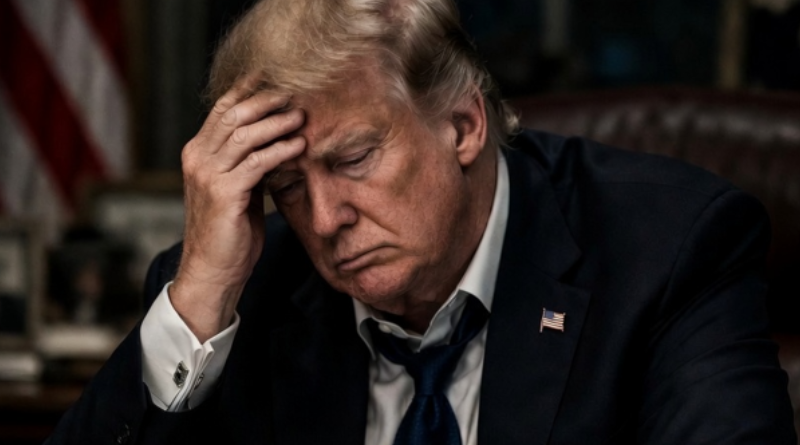
President Donald Trump reportedly believed military pressure on Iran would lead to a quick victory, similar to past interventions in countries such as Libya, Iraq, or Venezuela. But Iran has spent decades preparing for exactly this kind of confrontation. Rather than relying on direct military strength alone, Tehran has built a strategy centered on asymmetric warfare, regional influence, intelligence operations, propaganda, and economic pressure.
Military analysts warn that while Iran may struggle in a direct missile-for-missile conflict against the United States, its ability to disrupt global oil markets and pressure U.S. allies could create long-term instability. Oil prices remain one of Iran’s strongest strategic tools, and prolonged conflict may increase economic strain on the United States and its partners.
Israel is also facing growing concern as fears rise over a wider regional war. Officials worry that if U.S. involvement decreases, Israel could face mounting pressure from Iran and allied groups across the Middle East without the same level of international backing.
Meanwhile, political divisions inside Washington are deepening, with some lawmakers already discussing investigations and potential impeachment efforts tied to the administration’s handling of the conflict. Analysts say the outcome could reshape global alliances and alter the balance of power worldwide.