The Middle East experienced a sharp escalation in tensions over the weekend after the United States joined Israel’s conflict with Iran by launching coordinated strikes on key Iranian nuclear facilities. This move represents one of Washington’s most significant military interventions in the region in recent years and has raised widespread concerns about the potential for a broader regional war.
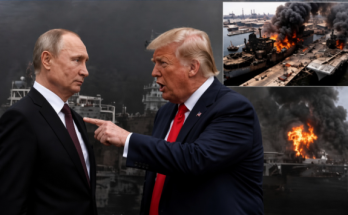
In a televised address from the White House, President Donald Trump confirmed that U.S. forces had targeted Iran’s nuclear enrichment infrastructure. He claimed that three sites had been “completely and totally obliterated,” though defense officials later clarified that while the damage was substantial, the full extent was still being assessed. Trump warned Iran to pursue peace, stating that failure to do so would result in even more forceful military action.
The strikes came sooner than expected. Just days earlier, Trump had suggested that diplomatic efforts would be given up to two weeks before any military decision. Acting quickly has now likely closed the door on immediate negotiations.
According to Pentagon officials, the operation involved cruise missiles and heavy bunker-buster bombs aimed at fortified nuclear sites, including Fordo, Natanz, and Isfahan. While these facilities sustained serious damage, some—particularly Fordo—were not completely destroyed, meaning Iran may still retain limited nuclear capabilities.
Iran reacted angrily, accusing the United States of undermining diplomatic efforts. Its foreign minister warned that Tehran reserves the right to defend itself, signaling that retaliation is likely. Shortly after the strikes, Iran launched additional missiles toward Israel, injuring civilians and intensifying ongoing hostilities.
Israel welcomed the U.S. involvement, with Prime Minister Benjamin Netanyahu praising the coordinated effort and emphasizing close military cooperation between the two allies.
Internationally, the strikes have triggered alarm. European leaders expressed frustration, warning that the action has severely damaged chances for de-escalation. The United Nations Security Council is expected to hold an emergency meeting, though hopes for restraint appear uncertain.
By directly targeting Iran’s nuclear program, the United States has crossed a critical threshold. What was once a limited support role has now become active participation in the conflict, increasing the risk of prolonged instability and wider war in the region.