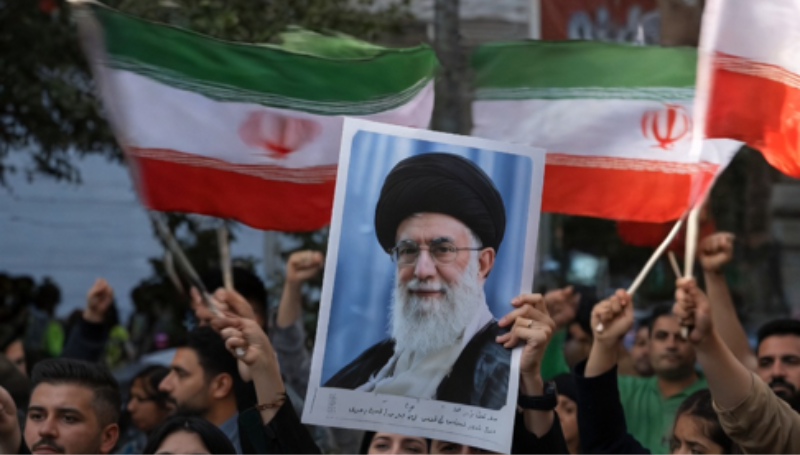
The geopolitical climate of March 2026 has entered an era of extraordinary tension following the most serious escalation in Middle Eastern conflict in decades. Long-standing hostility between Iran and the United States, once largely contained through sanctions, covert operations, and proxy confrontations, has suddenly intensified after reports confirming the death of Iran’s Supreme Leader. The development has created a dangerous power vacuum inside Tehran and sparked fears of retaliation on a scale not seen in modern history. Across intelligence circles, speculation is mounting that Iran may be considering a direct response against American interests, raising anxiety throughout the international community.
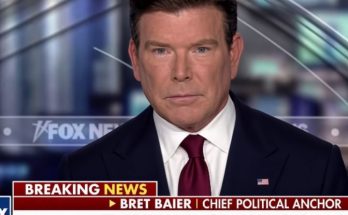
For many Americans, the atmosphere shifted rapidly from distant concern to a sense of immediate vulnerability. News broadcasts, social media platforms, and political commentators have become saturated with discussions about possible retaliation scenarios. Reports of increased military readiness, satellite surveillance, and intercepted communications have fueled public unease, even as officials urge caution against spreading unverified information. Analysts warn that in moments of crisis, fear itself can become a powerful weapon, creating confusion and panic long before any physical confrontation occurs.
Military experts believe that if Iran sought to demonstrate its reach, it would likely focus on symbolic or strategic targets tied to American power. Coastal regions with major naval installations, communication hubs, and energy infrastructure are frequently mentioned in theoretical defense assessments. States along the Pacific Coast, including California and Washington, are viewed as essential centers for naval operations and technology systems, while the Gulf Coast remains critical to the global energy market. Meanwhile, the densely populated corridor between Washington, D.C., and New York City continues to represent both political influence and economic strength.
The growing anxiety has already had visible effects on daily life. In several major cities, emergency preparedness discussions have surged online, with families reviewing evacuation plans and emergency kits. Social media, however, has also become flooded with rumors and exaggerated claims, making it increasingly difficult for the public to distinguish fact from speculation. Security experts caution that misinformation during international crises can deepen public fear and disrupt normal civic life even in the absence of a direct attack.
Historically, the United States has relied on geographic distance and military superiority as shields against foreign aggression. Yet advances in missile technology, cyber warfare, and global communications have reshaped modern conflict, reducing the protective value of oceans and borders. Whether current fears ultimately prove justified or exaggerated, the crisis has highlighted a growing realization that international instability can rapidly affect domestic life. As tensions continue to unfold, the world watches closely, aware that decisions made in distant capitals may shape global security for years to come.