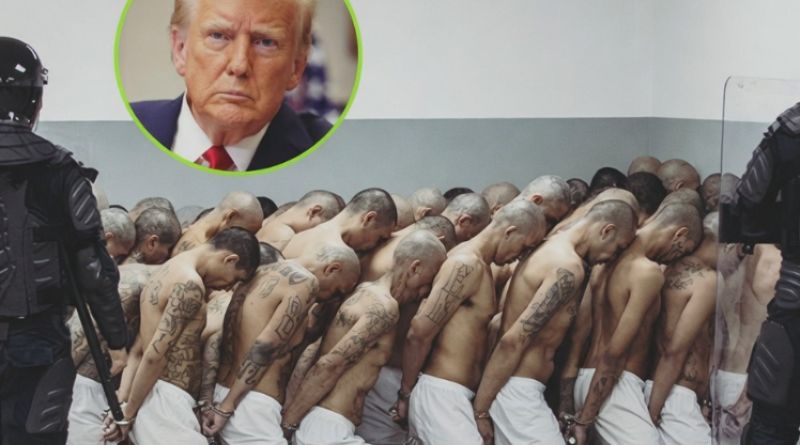
El Salvador’s Centre for the Confinement of Terrorism, widely known as CECOT, has become one of the most closely watched prison facilities in the world. Located approximately 70 kilometers east of San Salvador, the complex covers a large secured area and was constructed as part of President Nayib Bukele’s national security strategy. Since its opening in February 2023, it has been presented by the Salvadoran government as a central tool in combating gang-related violence and organized crime.
The prison is designed to hold up to 40,000 inmates, making it one of the largest correctional facilities in the Americas. Authorities in El Salvador have described it as part of a broader effort to restore public safety in a country that has historically faced high levels of violent crime. However, its scale, structure, and operating policies have also raised significant international debate regarding human rights, due process, and long-term incarceration conditions.
Political Context and Security Policy
CECOT was developed under President Nayib Bukele’s security initiative, which includes large-scale anti-gang operations and emergency legal measures. Supporters of the policy point to a noticeable decline in homicide rates across El Salvador since its implementation. Government officials argue that strict enforcement and mass detentions have contributed to improved safety in communities that were previously affected by gang violence.
At the same time, critics have raised concerns about the legal framework used to detain individuals. Human rights organizations and legal experts have questioned whether due process protections are consistently applied in all cases. Reports have suggested that large numbers of arrests have occurred under emergency conditions, leading to concerns about the possibility of wrongful detention or insufficient evidence in some cases.