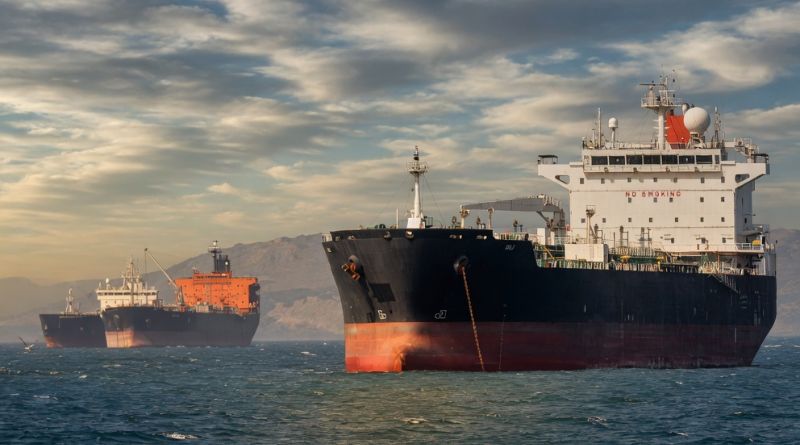
United Nations (AP) — The United States and several Gulf partners have introduced a draft resolution to the UN Security Council warning Iran that it could face sanctions or other measures if it continues alleged attacks on commercial shipping in the Strait of Hormuz. The proposal also calls for an end to what it describes as illegal tolls on vessels and demands that Iran disclose the locations of any naval mines to ensure safe navigation.
The draft further urges Tehran to cooperate immediately with UN efforts to create a humanitarian corridor through the strait, intended to facilitate delivery of essential supplies such as food aid, fertilizer, and other goods.
This initiative follows earlier diplomatic efforts that sought to guarantee freedom of navigation in the strategic waterway. A previous, more limited resolution was vetoed by China and Russia shortly before a temporary ceasefire was reached between Washington and Tehran in early April.
U.S. Secretary of State Marco Rubio accused Iran of threatening global economic stability by disrupting maritime traffic, alleging the use of mines, coercive measures against shipping, and attempts to impose fees on one of the world’s most vital sea routes.
Rubio said he hoped for a vote in the coming days but acknowledged uncertainty over whether revised language would prevent another veto from Iran’s allies. The updated draft reportedly removes authorization for the use of force and instead emphasizes sanctions.
U.S. officials described the resolution as a test of the UN’s ability to address major international security challenges effectively.
Ambassador Mike Waltz expressed confidence that the narrower proposal could secure enough support in the 15-member council.
The measure is part of broader U.S. efforts to restore free navigation in the strait, which historically carried about 20% of global oil shipments before recent conflict escalation. A fragile ceasefire remains in place.
The draft, prepared under Chapter VII of the UN Charter, allows for potential enforcement actions, including sanctions, if Iran does not comply. Earlier versions referencing enforcement authority were also rejected.
Diplomats say disagreements persist over language describing Iran’s actions and whether similar criticism should also apply to U.S. and Israeli strikes.
The resolution also reaffirms maritime self-defense rights and urges states not to support any attempt to block the strait or impose transit fees.
It encourages regional dialogue and ongoing coordination to ensure safe passage and long-term stability.
U.S. officials have also been engaging China diplomatically in hopes of avoiding another veto ahead of President Donald Trump’s planned meeting with President Xi Jinping in Beijing next week there.