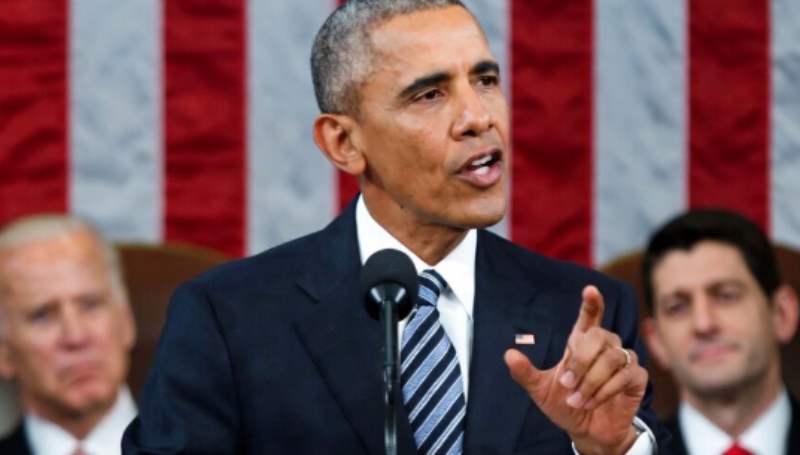
arack Obama served as the 44th President of the United States from 2009 to 2017, a period marked by significant domestic and international challenges. When he took office, the country was grappling with the aftermath of the Global Financial Crisis, one of the most severe economic downturns since the Great Depression. At the same time, the United States remained deeply involved in military operations in Iraq and Afghanistan, adding further complexity to his administration’s agenda.
One of the defining achievements of Obama’s presidency was the passage of the Affordable Care Act. This landmark legislation aimed to expand access to healthcare by reducing the number of uninsured Americans, introducing protections for individuals with pre-existing conditions, and restructuring aspects of the insurance market. While the policy significantly increased coverage, it also became a focal point of political debate, illustrating the broader ideological divisions within the country. In addition to healthcare reform, Obama’s administration placed a strong emphasis on economic recovery. Through a combination of stimulus spending, financial system reforms, and support for key industries, the administration sought to stabilize markets and encourage job creation. Over time, unemployment rates declined, and economic growth gradually resumed, though debates persist over the extent to which these improvements can be directly attributed to administration policies versus broader economic cycles. Obama’s foreign policy record also contributed to the complexity of his legacy. His administration emphasized diplomacy and multilateral cooperation, seeking to rebuild relationships with international allies and engage in negotiations on global issues. However, critics argued that certain decisions, including responses to conflicts in the Middle East, reflected inconsistency or limited effectiveness. These contrasting interpretations underscore the challenges inherent in managing global affairs during a period of rapid geopolitical change. Public and scholarly evaluations of Obama’s presidency remain deeply divided, often reflecting broader political identities and priorities. Supporters tend to emphasize his administration’s efforts to expand social safety nets, improve access to healthcare, and restore economic stability after a period of crisis. They also highlight his emphasis on diplomacy and international engagement. In contrast, critics frequently point to increased federal spending, the expansion of regulatory frameworks, and perceived shortcomings in foreign policy as areas of concern. Ultimately, assessing the legacy of Barack Obama requires a nuanced understanding of the constraints and opportunities that shape presidential decision-making. Factors such as congressional opposition, economic conditions, and global events all influence the outcomes of policy initiatives. Simplified narratives often fail to capture these complexities, overlooking the long-term effects of policy decisions and the diverse experiences of the American public. A balanced evaluation must therefore consider both the achievements and limitations of his administration within its broader historical context.