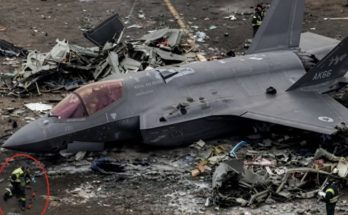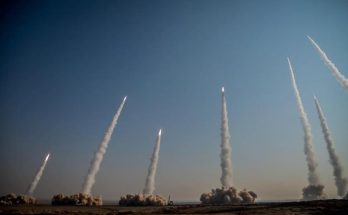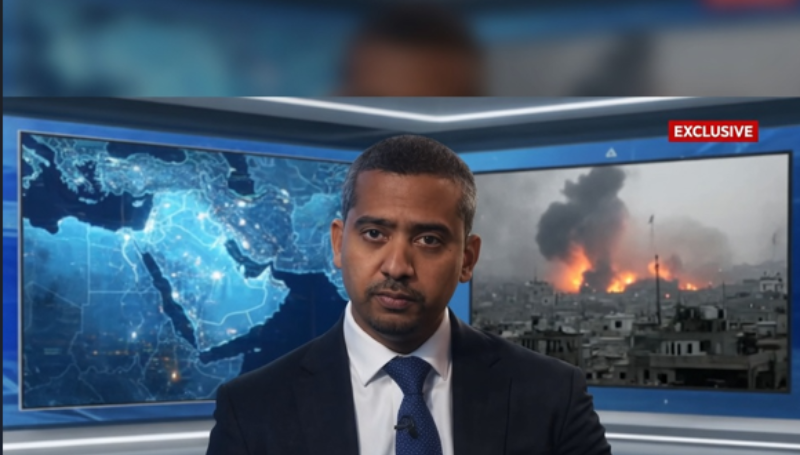
A viral clip featuring Mehdi Hasan raises a provocative question about power and perception in the Middle East. In it, Hasan challenges widely held narratives by asking which country in the region actually possesses nuclear weapons. His answer: not Iran, as is often implied in political discourse, but Israel. He then follows with another pointed claim—that recent military actions across multiple countries in the region were carried out not by Iran, but by Israel.
These statements are meant to highlight what Hasan يرى as a contradiction in how global audiences are encouraged to view threats in the Middle East. Iran is frequently portrayed in Western media and political rhetoric as the primary source of instability and danger. However, critics argue that this framing can overlook key facts. For instance, while Iran’s nuclear program has raised serious international concerns, there is no confirmed evidence that it currently possesses nuclear weapons. Israel, on the other hand, is widely believed to have a nuclear arsenal, though it has never officially confirmed or denied this under its long-standing policy of ambiguity.
The second part of Hasan’s argument is even more contentious. He suggests that the narrative of Iran as the main aggressor often ignores Israel’s own military operations beyond its borders. In recent years, Israel has conducted airstrikes and other actions in countries like Syria, targeting what it describes as Iranian-linked forces and infrastructure. Supporters of Israel argue these moves are defensive and aimed at preventing threats from escalating. Critics, however, see them as evidence that Israel plays a more active military role in the region than is sometimes acknowledged.
Ultimately, Hasan’s comments are less about providing a complete picture and more about challenging audiences to question dominant narratives. The reality is complex: both Iran and Israel engage in actions that shape regional dynamics, but they do so in different ways and for different strategic reasons.
The key takeaway is not that one side is entirely right or wrong, but that understanding the Middle East requires looking beyond simplified talking points. It involves examining evidence, questioning sources, and recognizing how political framing can influence perception.